Best Tokyo Attractions for First-Time and Repeat Travelers
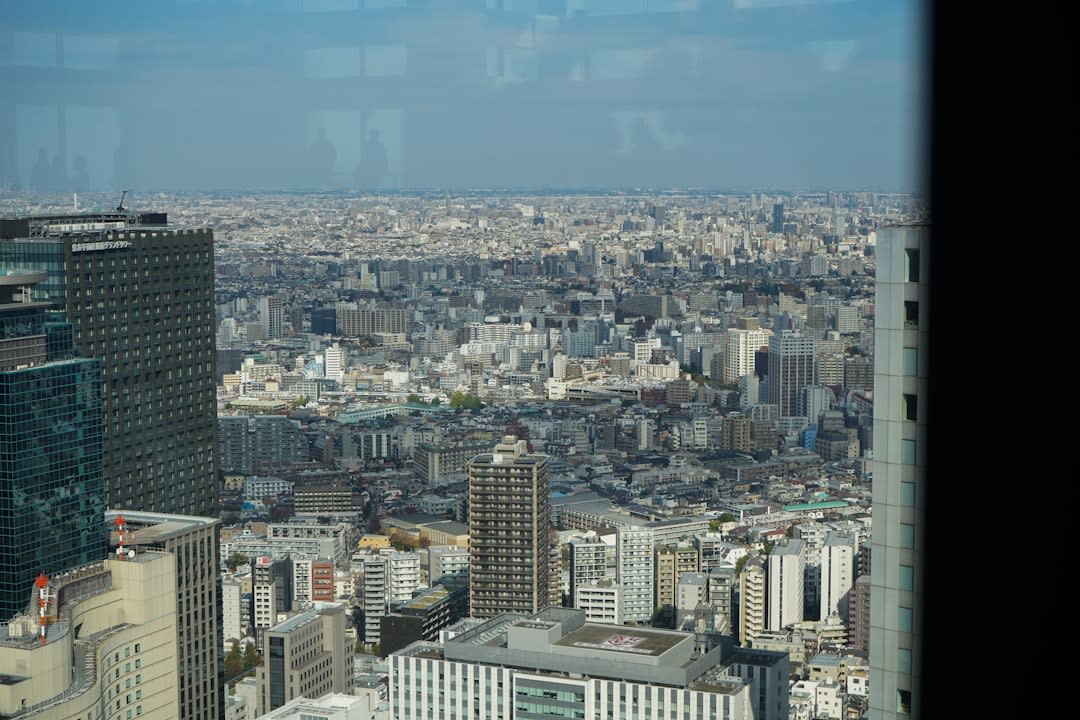
Tokyo rewards both first-time visitors and repeat travelers because its best attractions are spread across very different districts. A good trip can mix old streets in Asakusa, skyline views in Shibuya and Oshiage, peaceful gardens in Ueno and Shinjuku, waterfront stops in Odaiba, and museums that explain the city beyond its busy image.
For a balanced itinerary, group nearby places by area instead of crossing the city too often. Visit cultural sites early, save observation decks for clear afternoons or sunset, and leave neighborhoods such as Shibuya, Shinjuku, Harajuku, and Ginza enough free time for wandering, food, and shopping.
1. Start with Senso-ji Temple and the old Tokyo atmosphere of Asakusa
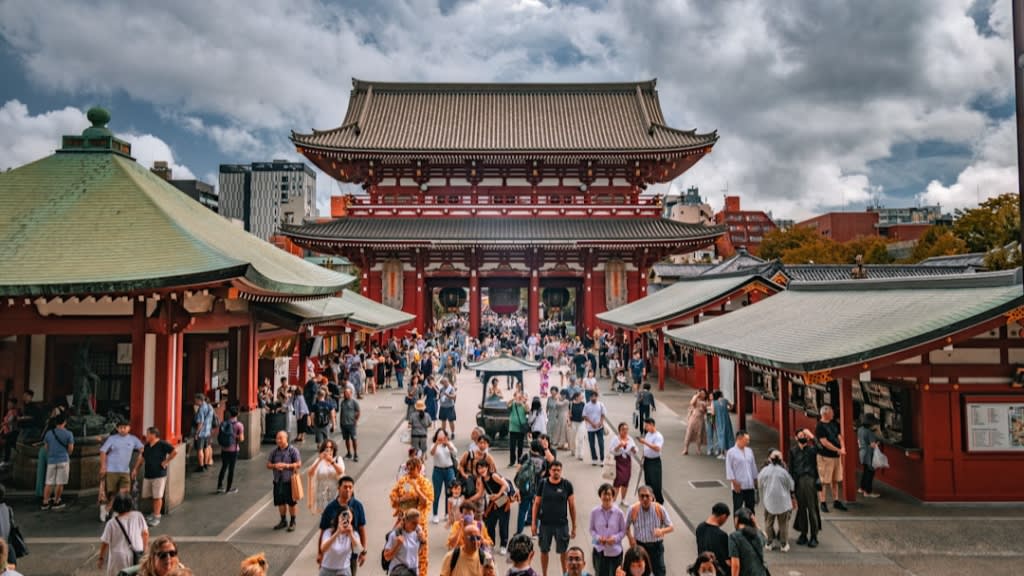
Senso-ji Temple (Asakusa)
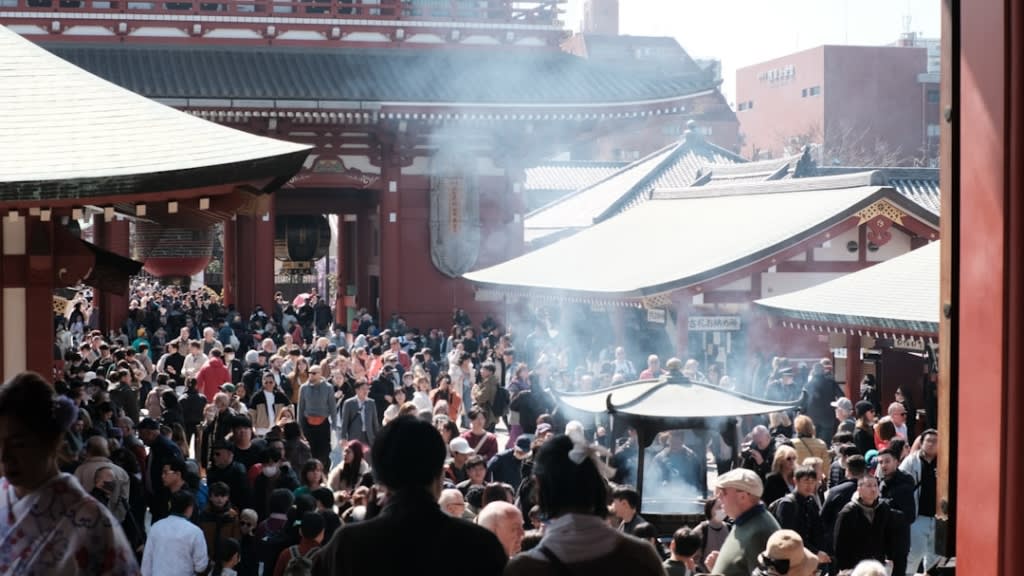
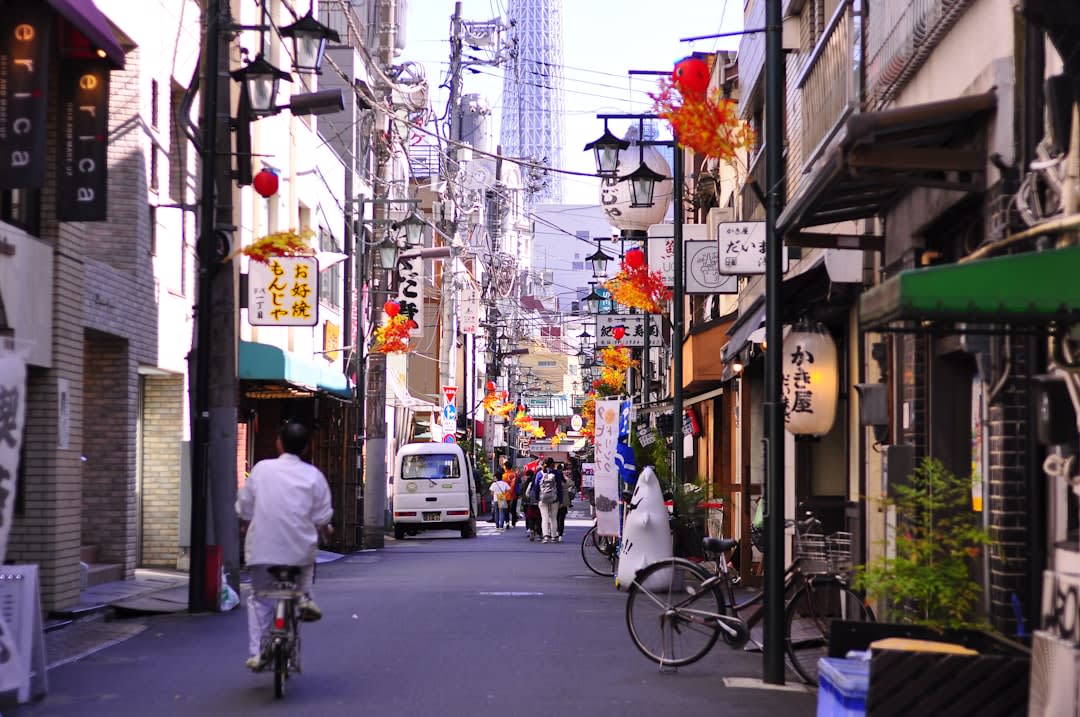
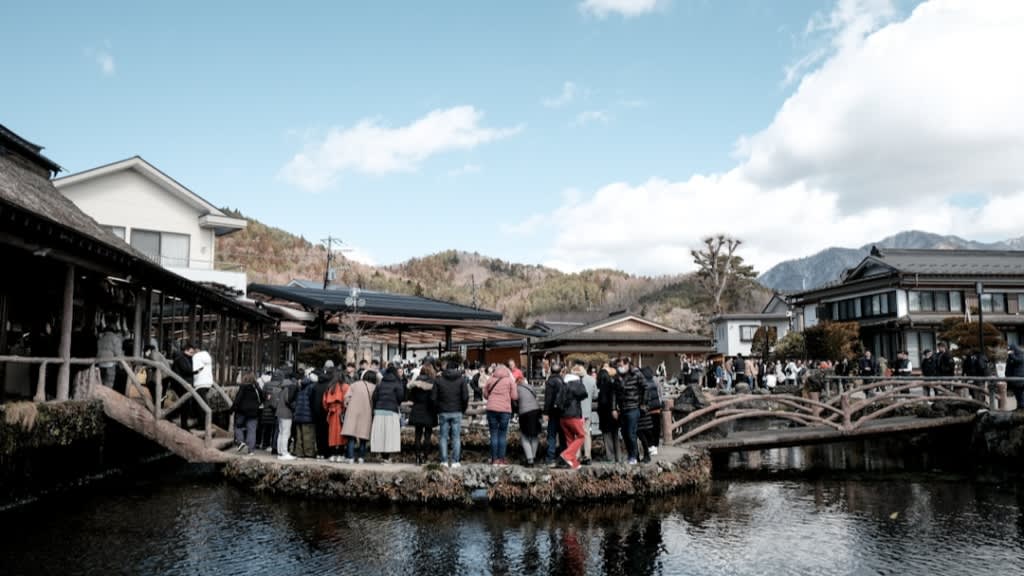
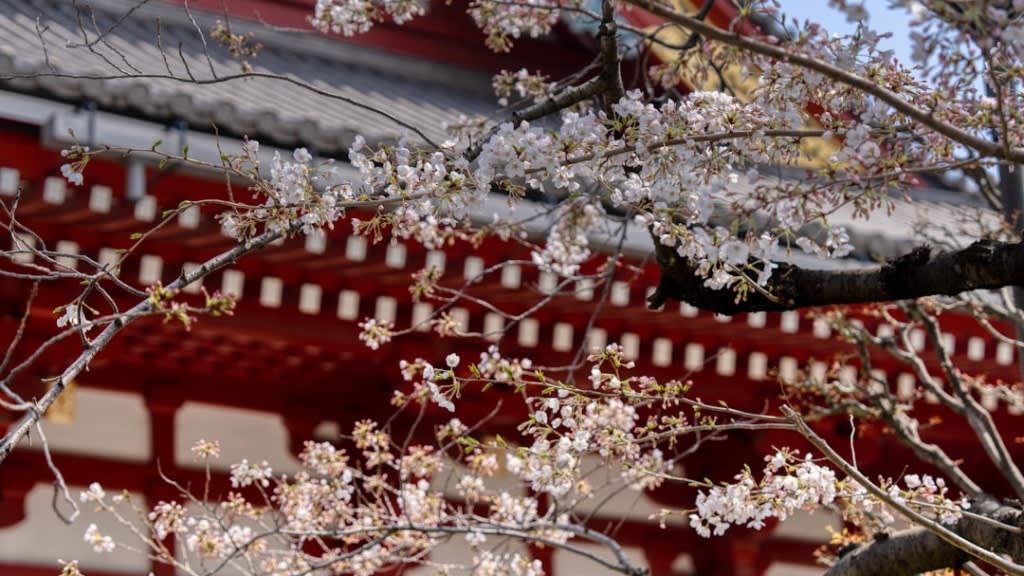
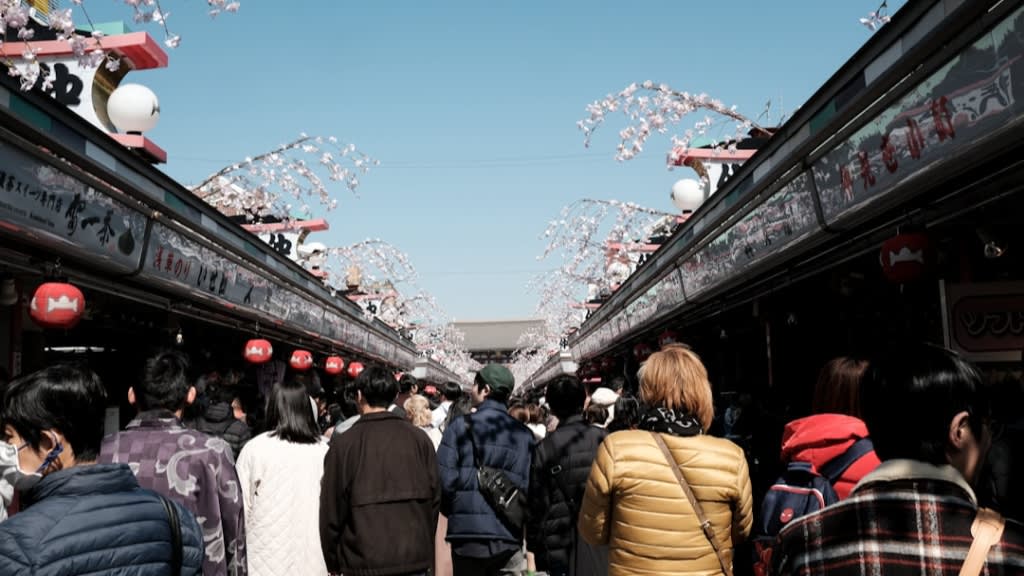
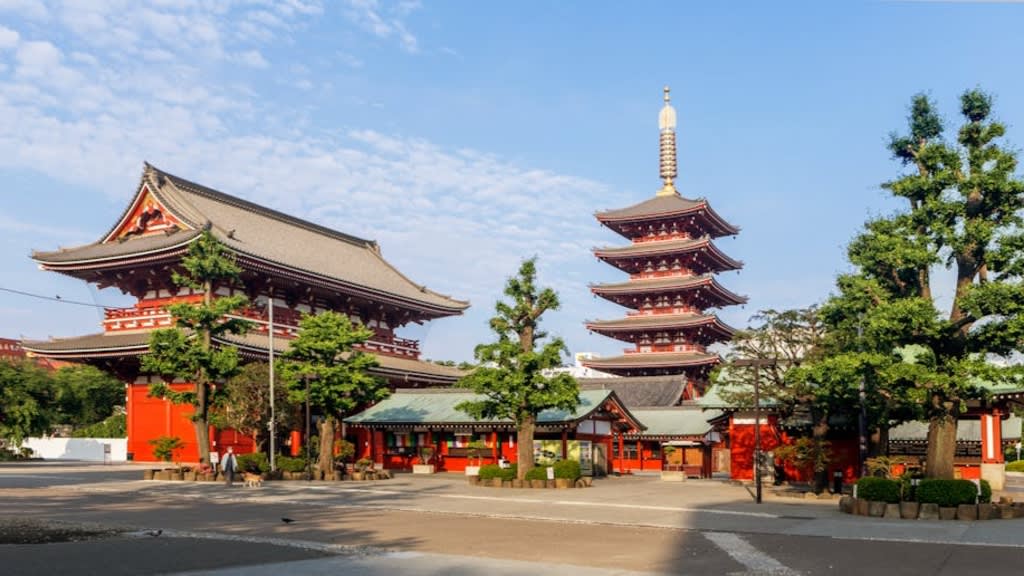
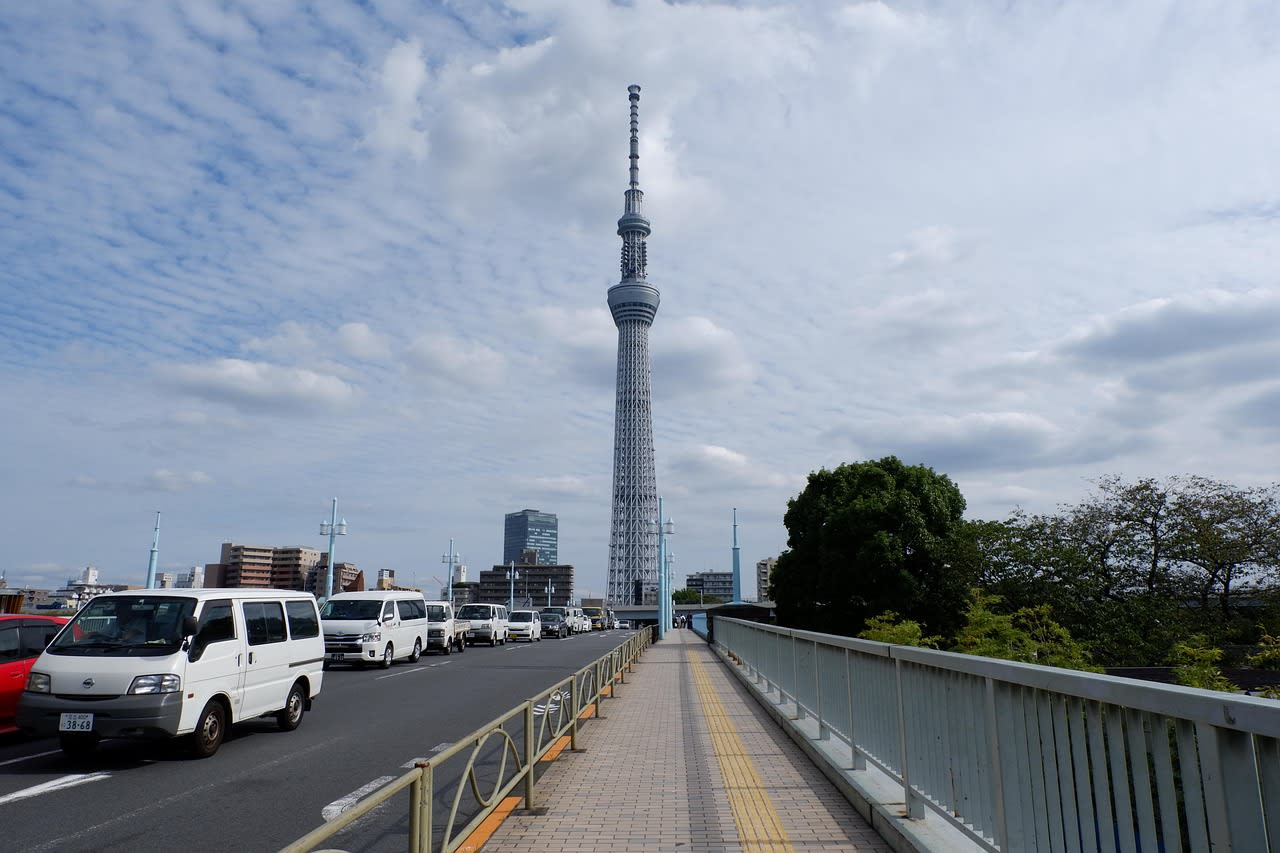
Senso-ji is one of the most useful first stops in Tokyo because it gives travelers a clear sense of the city before the high-rises take over. Arrive in the morning to see Kaminarimon Gate, walk Nakamise-dori for snacks and souvenirs, then explore the temple grounds at a slower pace. Repeat visitors can add nearby Kappabashi, Sumida Park, or a walk toward the Tokyo Skytree area.
2. See Tokyo from above at Tokyo Skytree
Tokyo Skytree
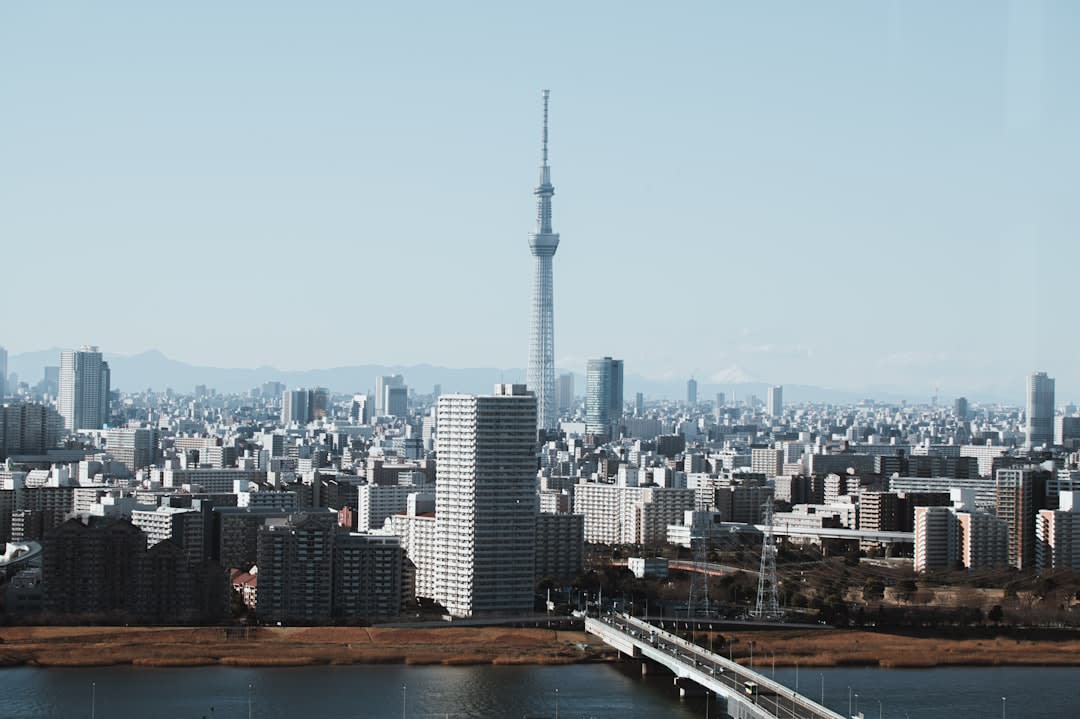
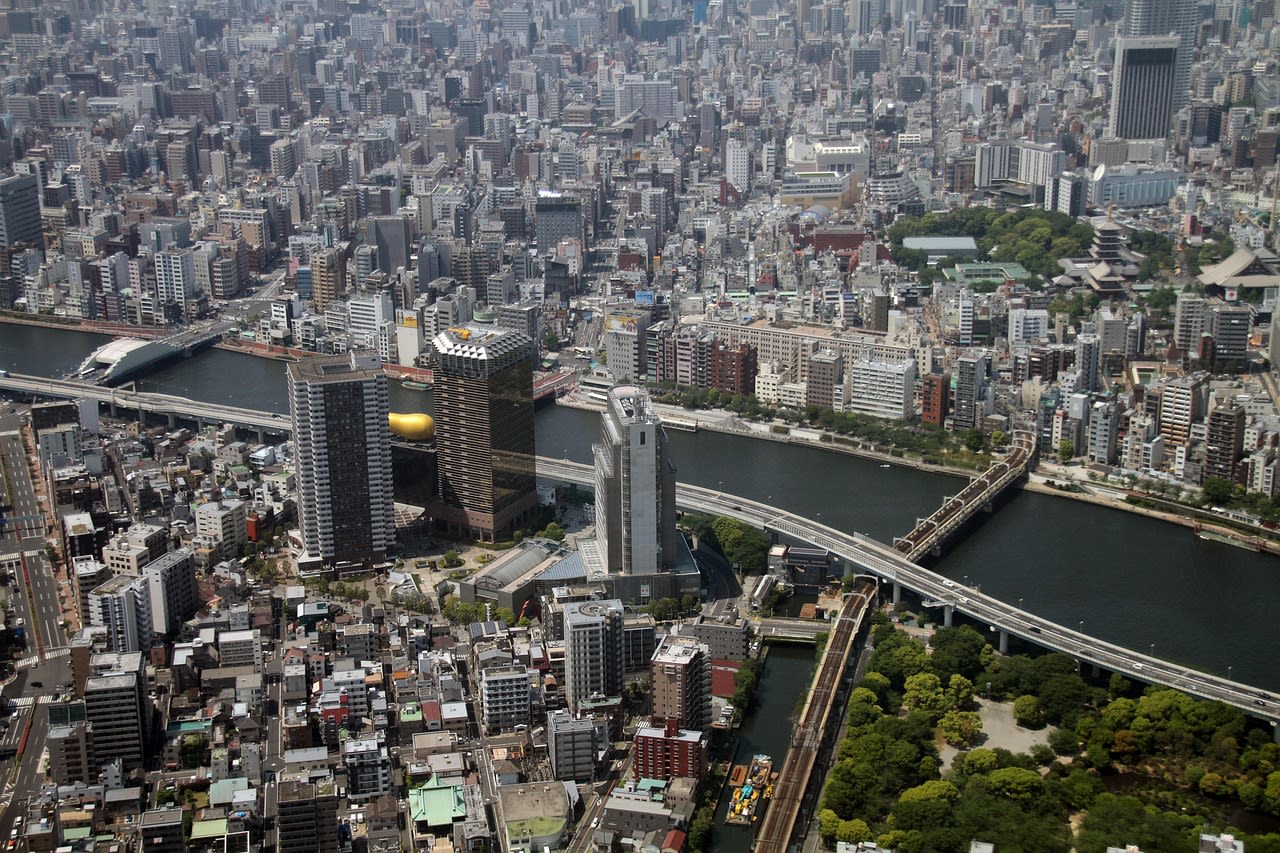
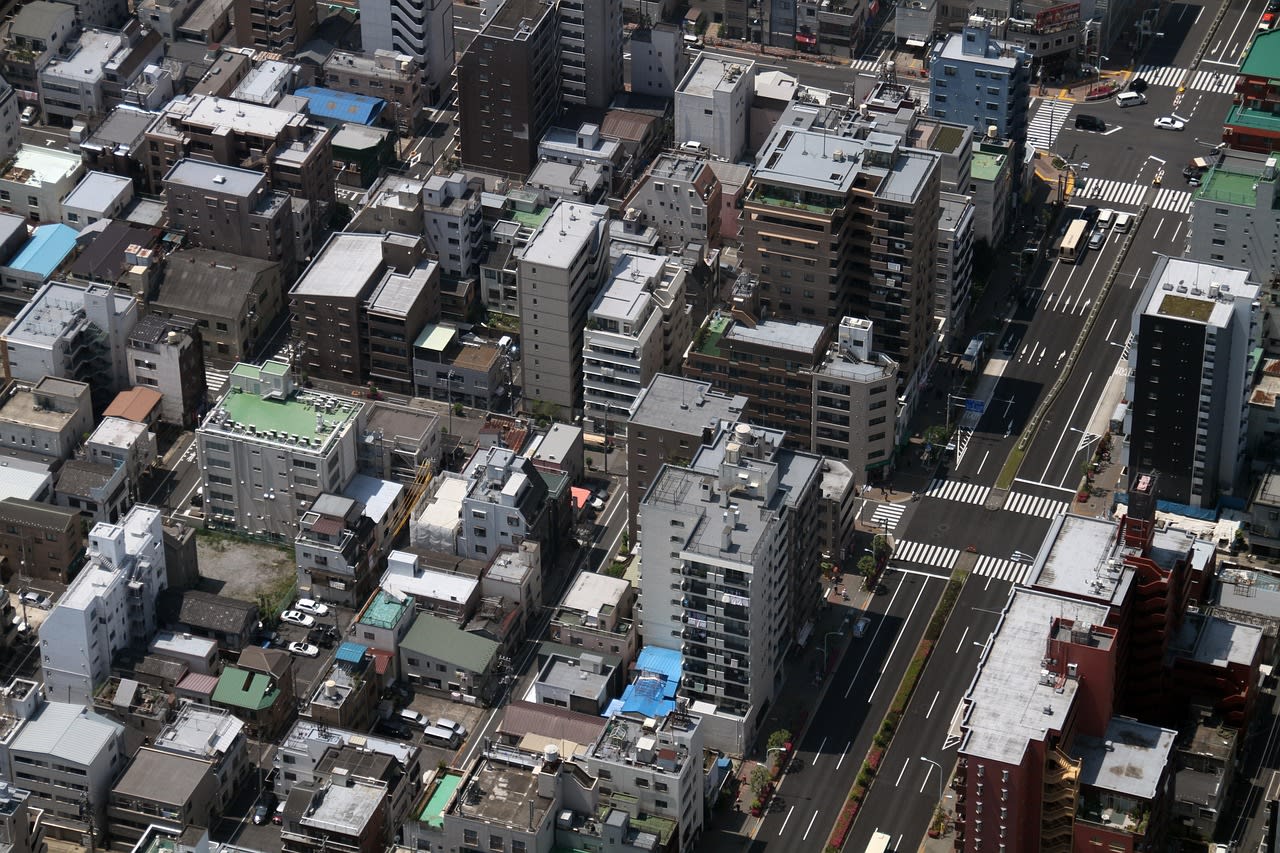
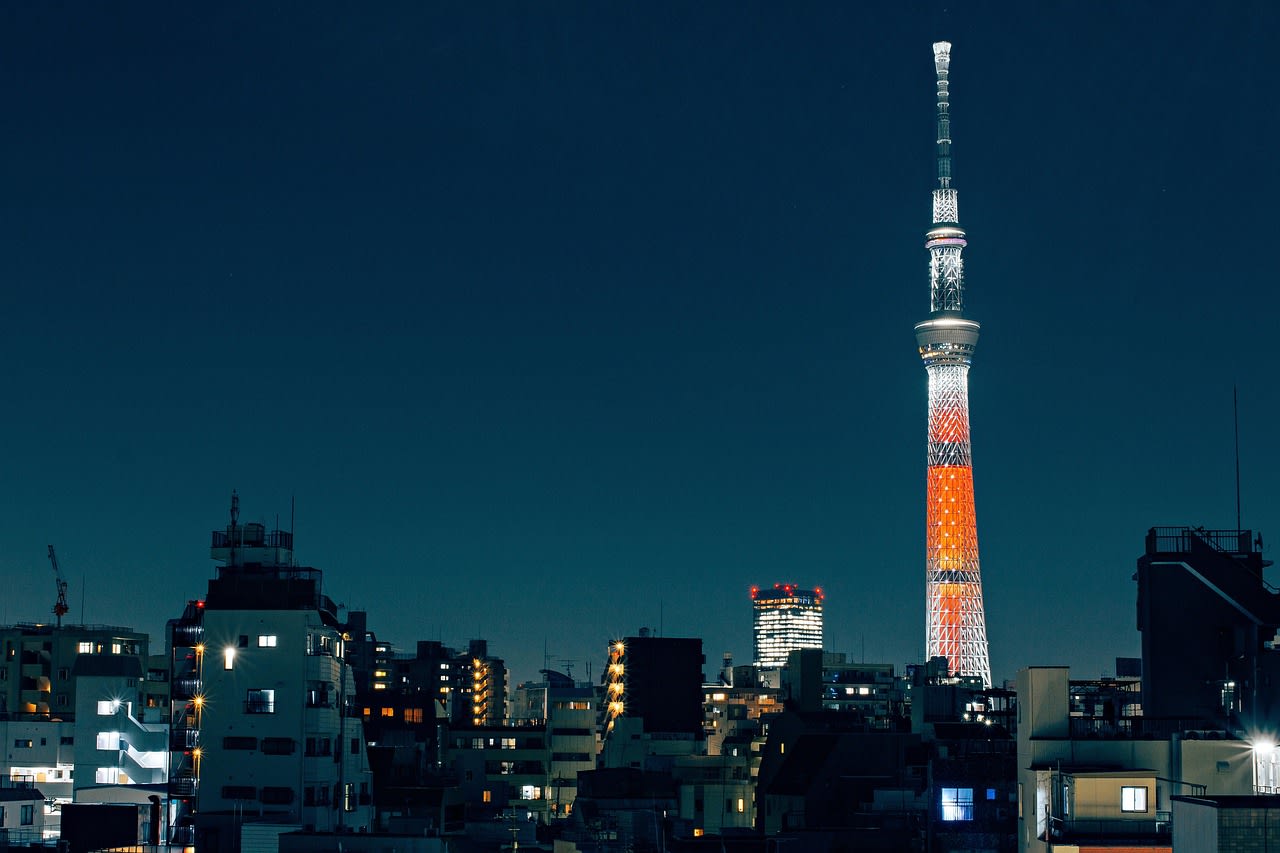
Tokyo Skytree is ideal when you want a clear view of how large Tokyo really is. Go on a bright afternoon for long-distance views or near sunset for city lights, then spend time in Tokyo Solamachi for restaurants, shops, and easy indoor breaks. It pairs naturally with Asakusa because the two areas are close enough to combine in one half-day route.
3. Watch the city move at Shibuya Crossing
Shibuya Crossing
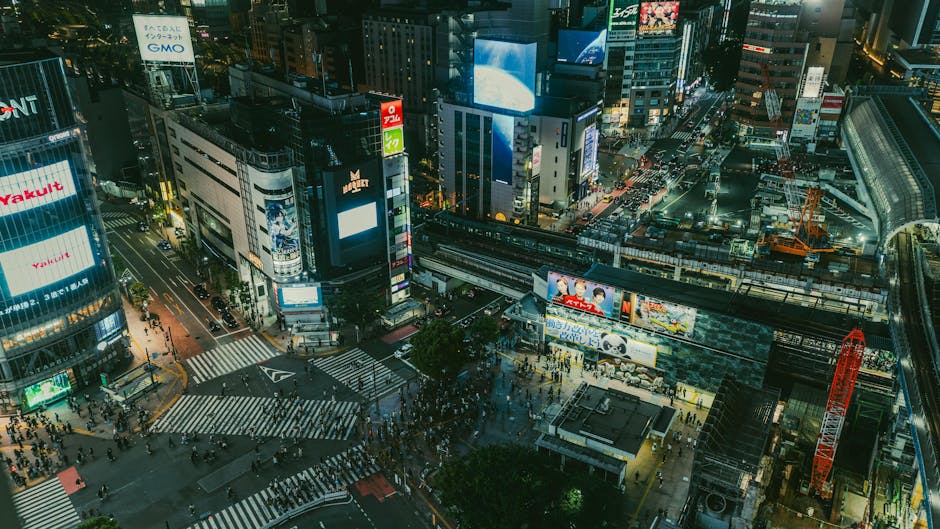
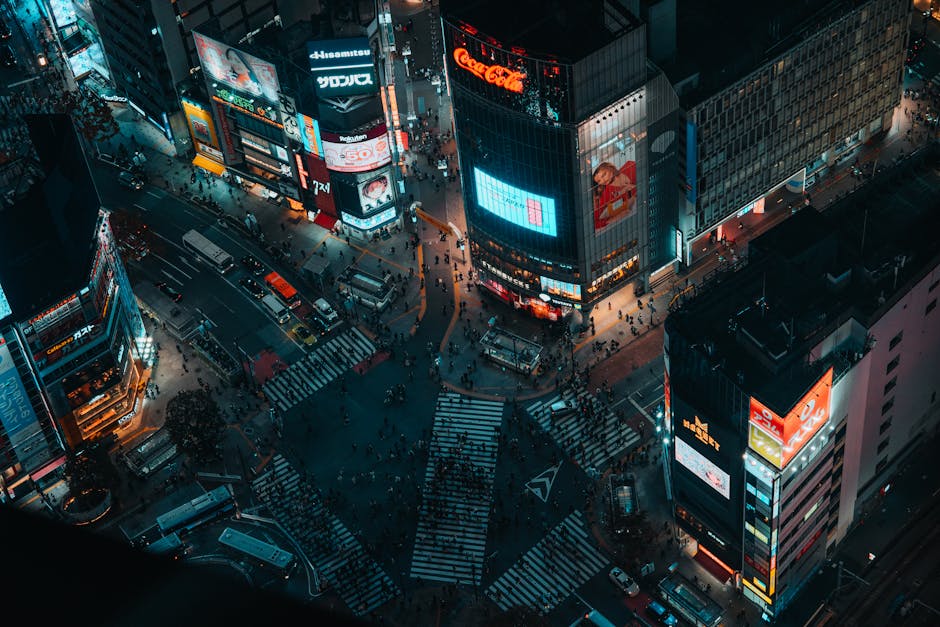
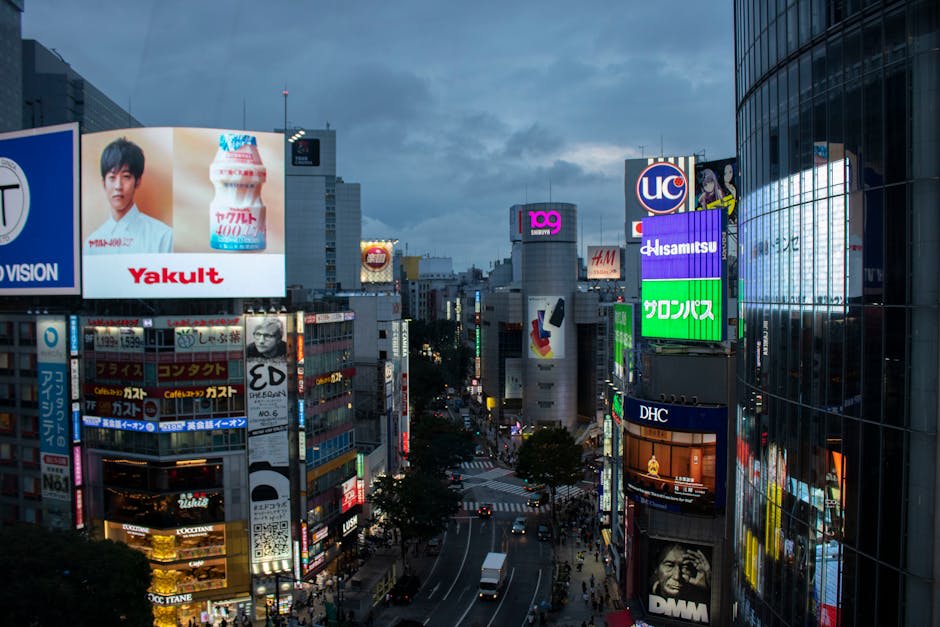
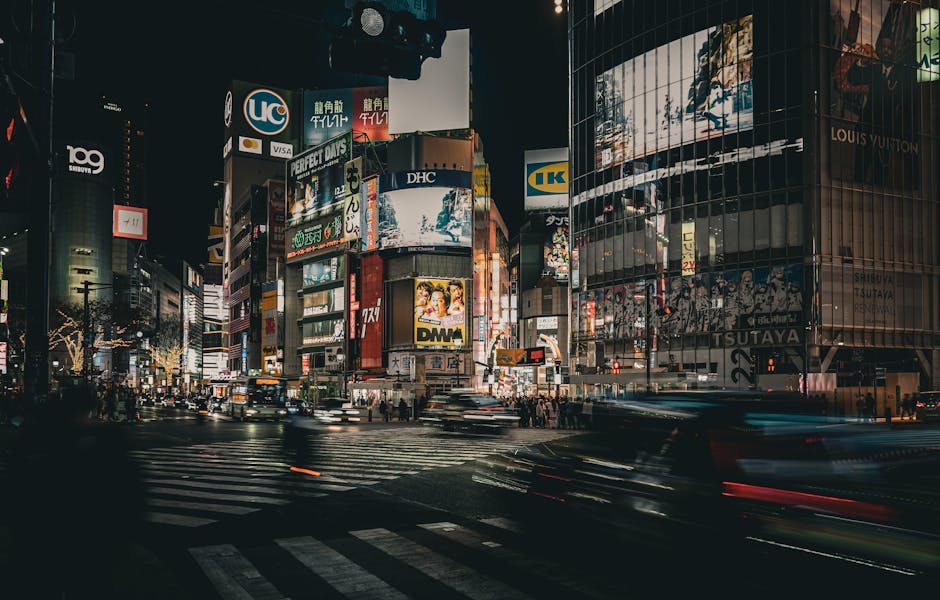
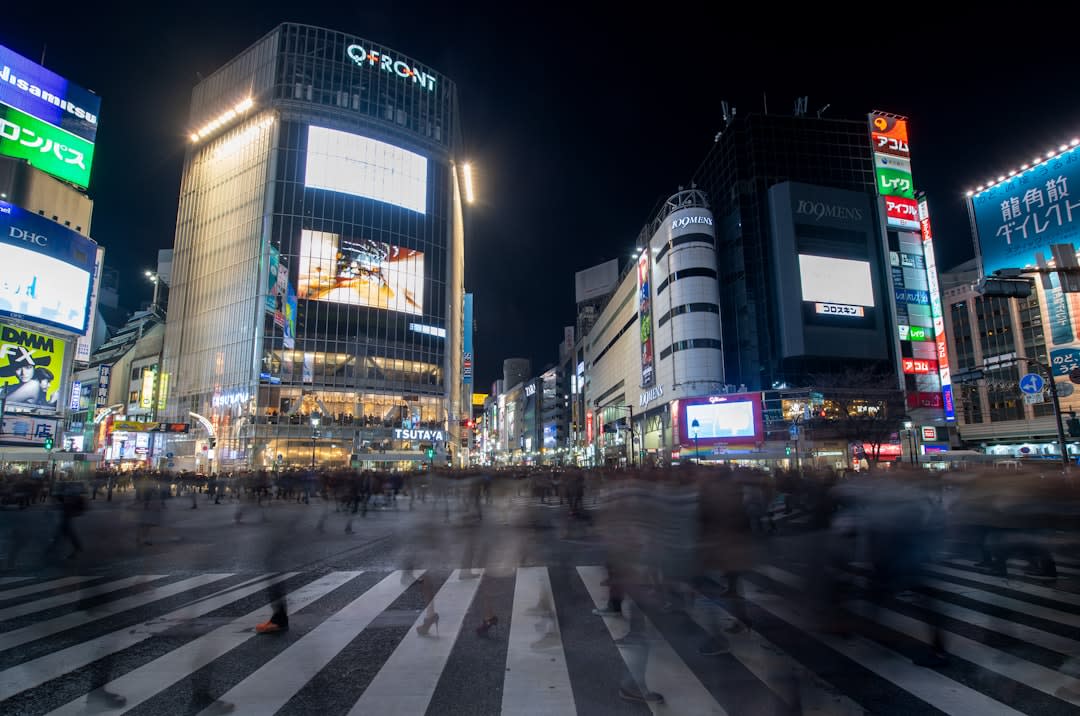
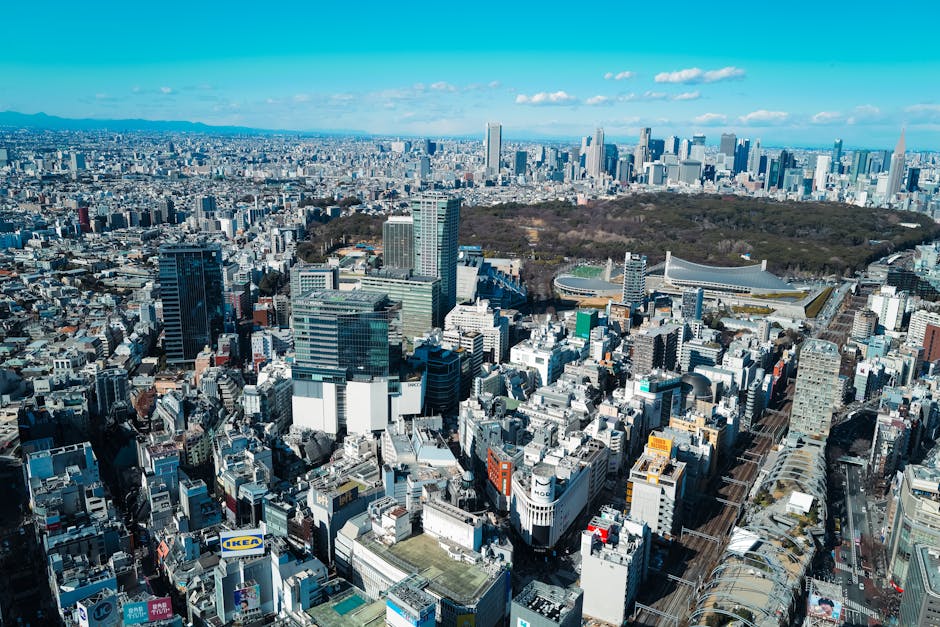
Shibuya Crossing is a classic Tokyo scene, but it is most interesting when you treat it as a whole neighborhood stop. Cross at street level, look for an elevated viewpoint, then explore Center Gai, Miyashita Park, or nearby food halls. Evening is usually the most atmospheric time, while morning is better for travelers who want photos with lighter crowds.
4. Add a polished skyline view at Shibuya Sky
Shibuya Sky
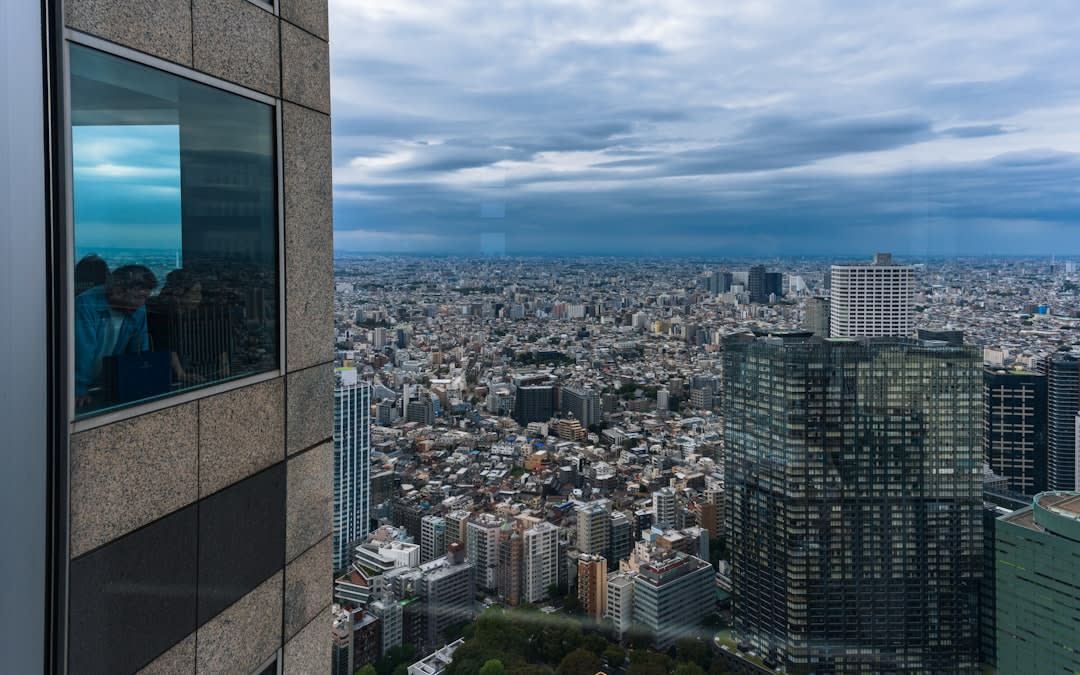
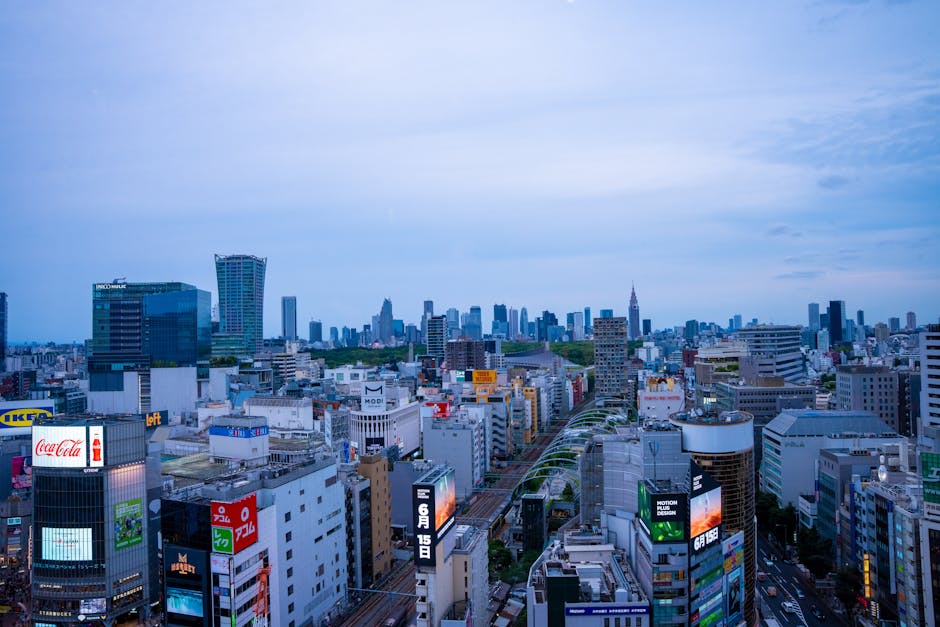
Shibuya Sky is one of Tokyo's strongest observation deck choices because it places you above a recognizable part of the city. The open-air rooftop feels different from many indoor decks, and sunset slots are especially popular. Book ahead when possible, then leave time before or after for Shibuya Stream, Shibuya Scramble Square shops, and nearby restaurants.
5. Balance the crowds with Meiji Jingu and Harajuku
Meiji Jingu Shrine (Harajuku)
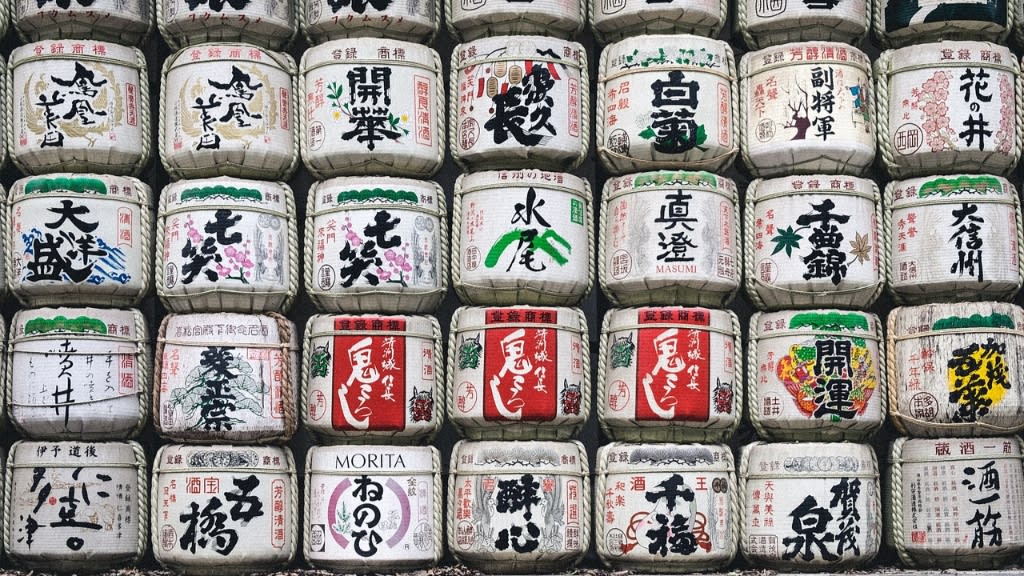
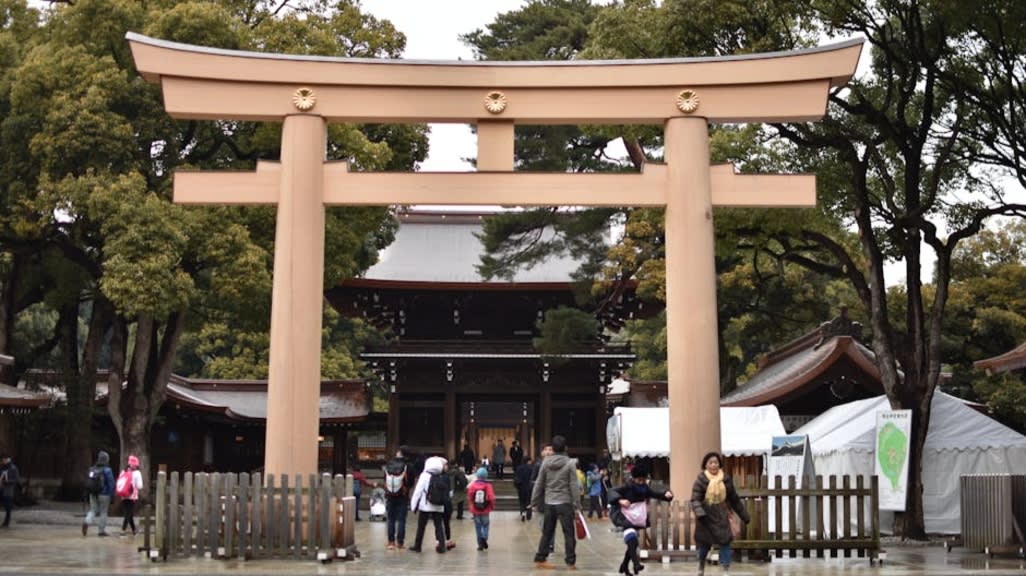
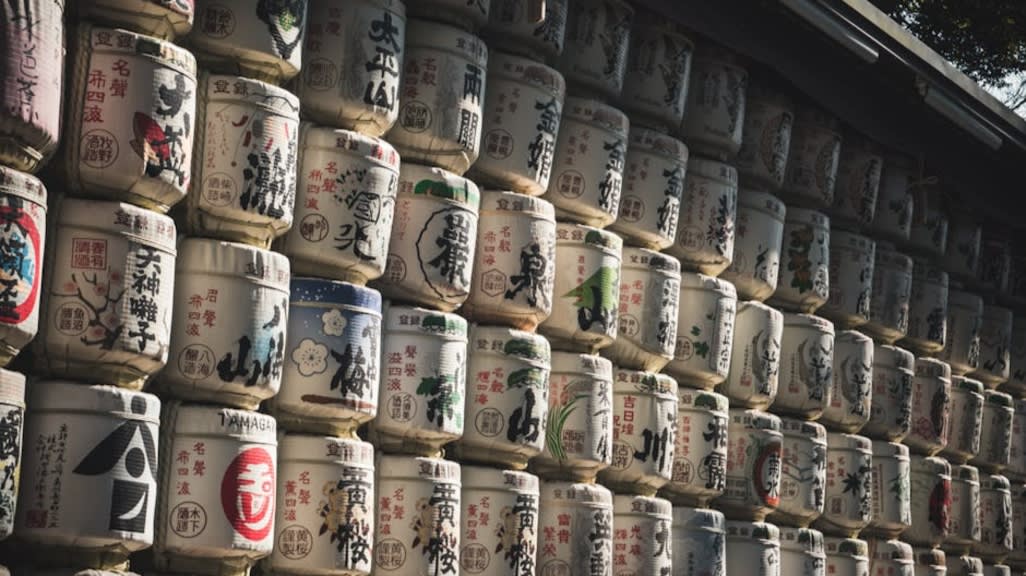
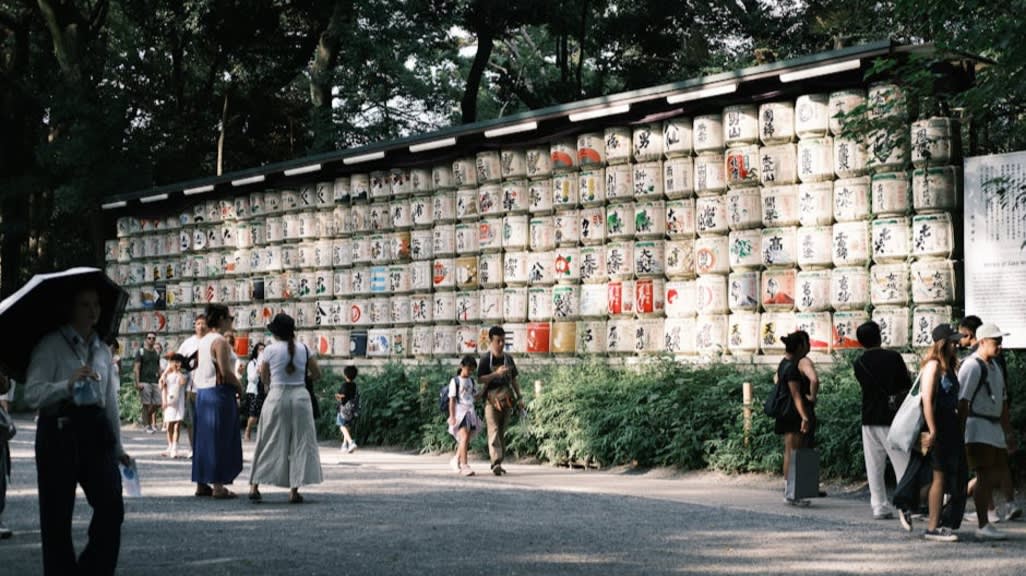
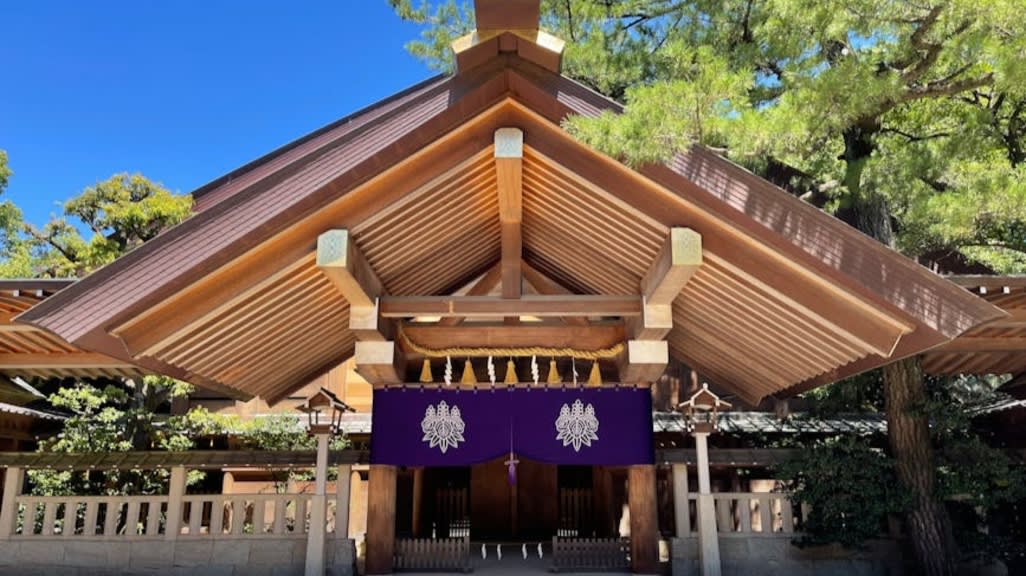
Meiji Jingu is a calm contrast to nearby Harajuku and Omotesando. Walk through the forested approach, visit the shrine respectfully, then continue to Takeshita Street for youth fashion or Omotesando for cafes and design stores. Morning is best for the shrine, while the surrounding shopping streets become livelier later in the day.
6. Slow down in Shinjuku Gyoen National Garden
Shinjuku Gyoen National Garden
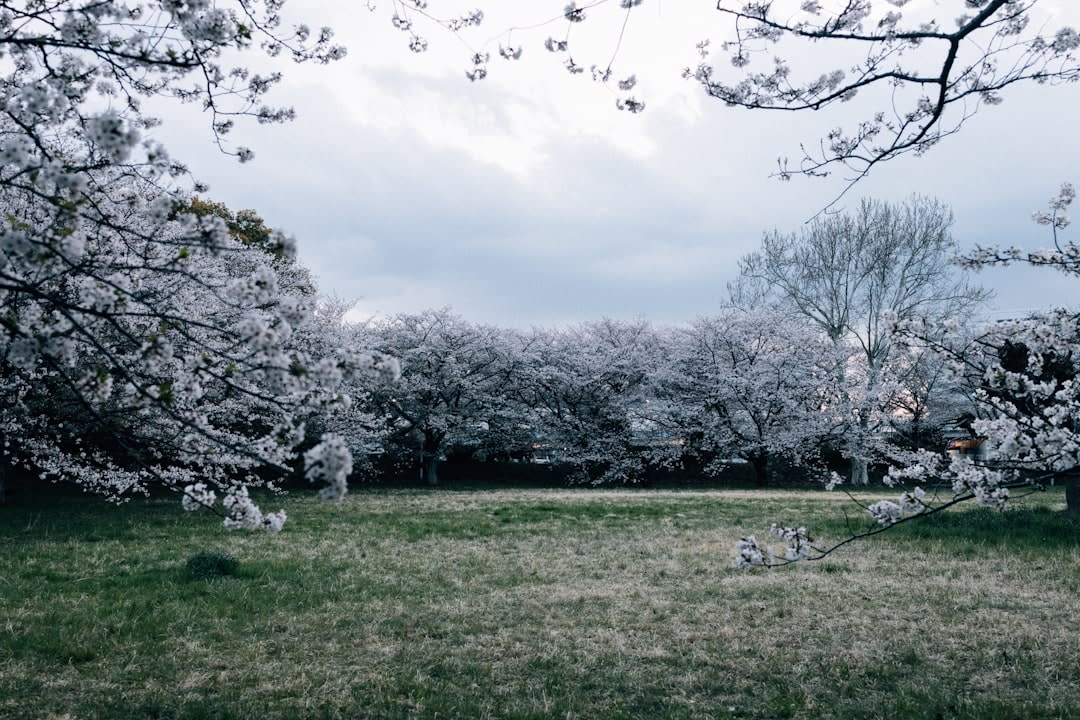
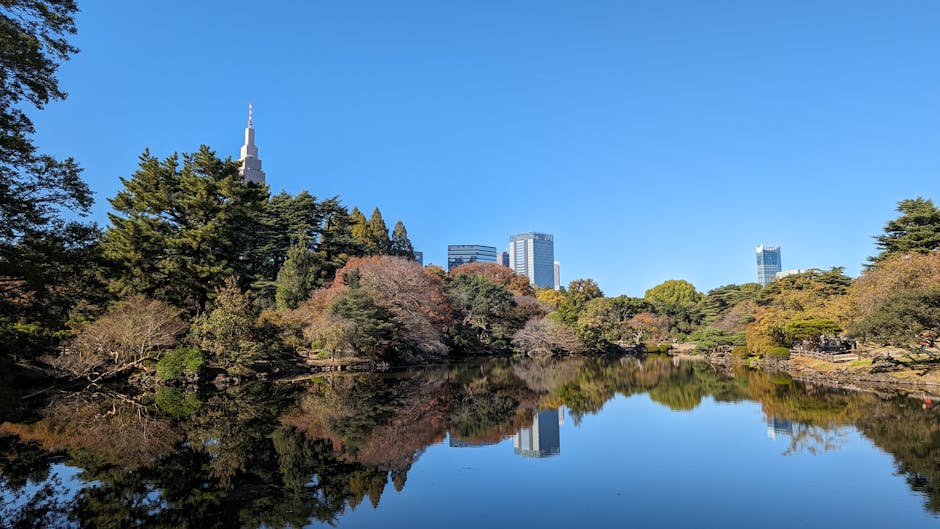
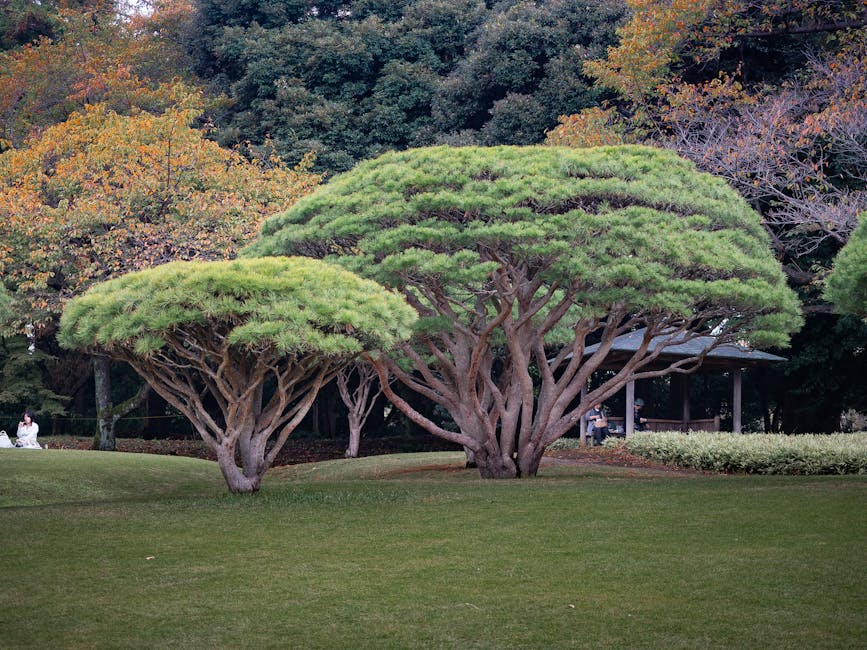
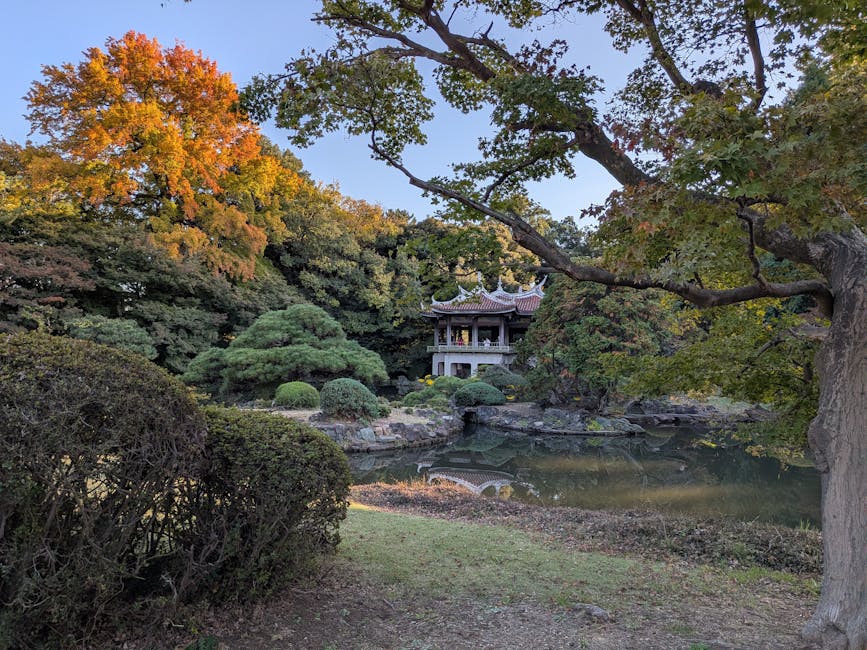
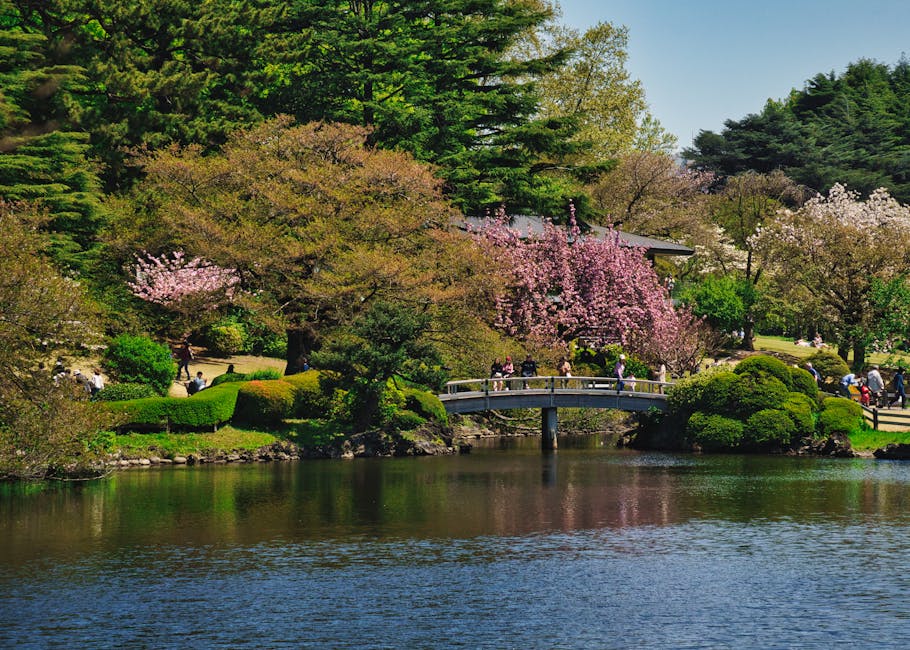
Shinjuku Gyoen is one of the best places to reset during a busy Tokyo itinerary. It has wide lawns, Japanese garden areas, greenhouse displays, and seasonal flowers, making it useful in spring, autumn, and mild winter days. Visit before or after Shinjuku's shopping and dining areas, especially if you need a quieter break from the station crowds.
7. Explore Ueno Park for museums, temples, and seasonal walks
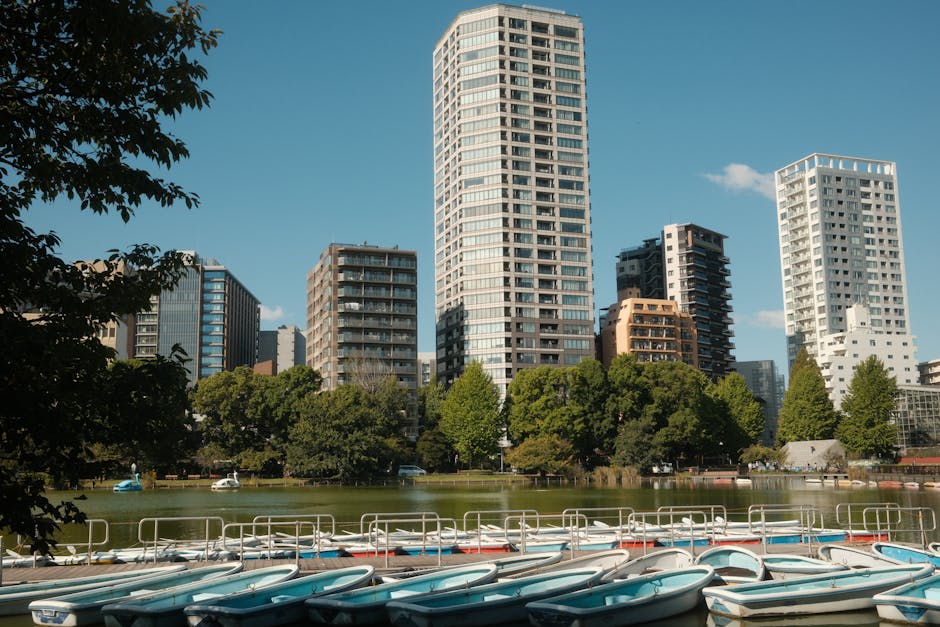
Shinobazu Pond
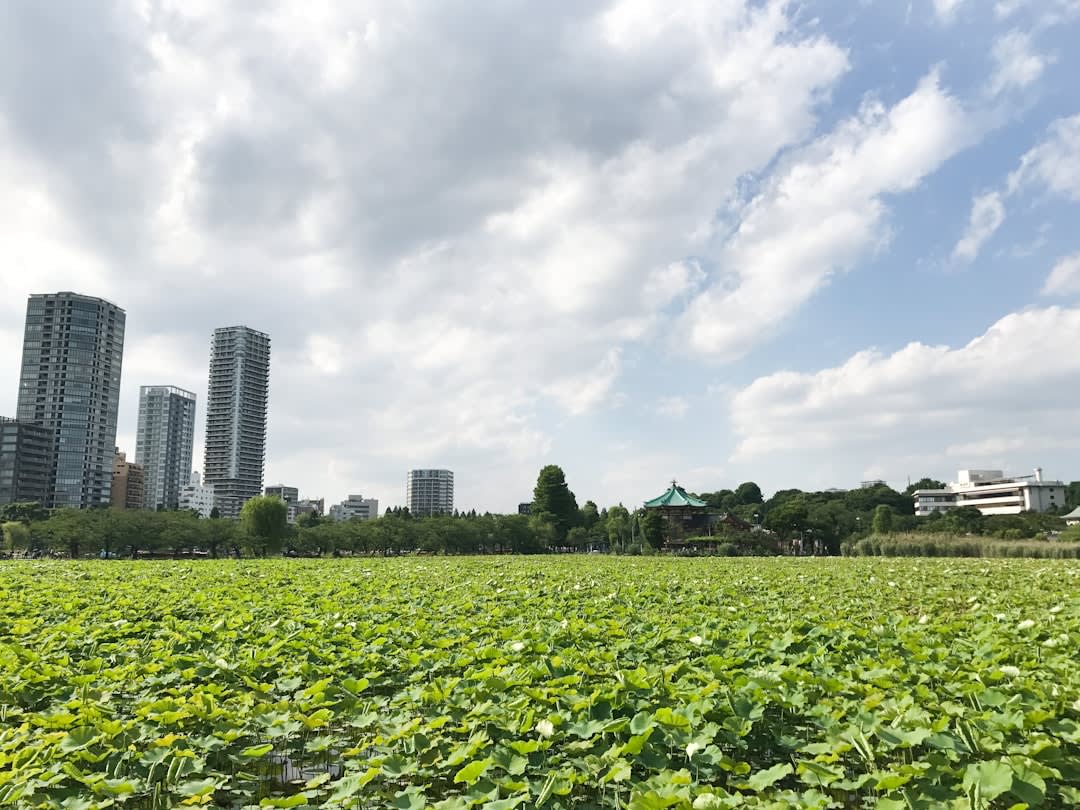
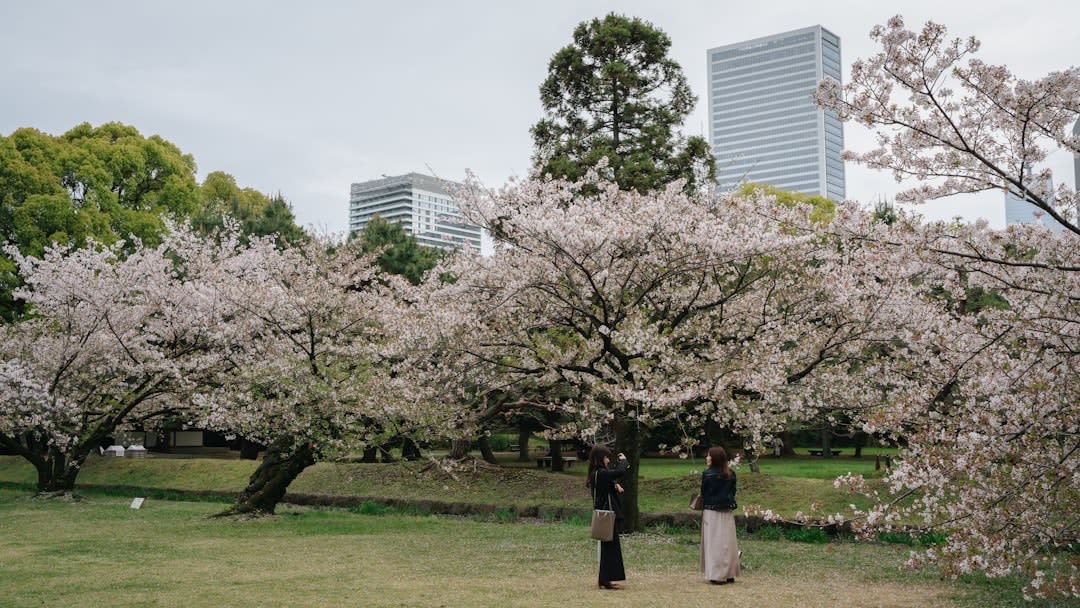
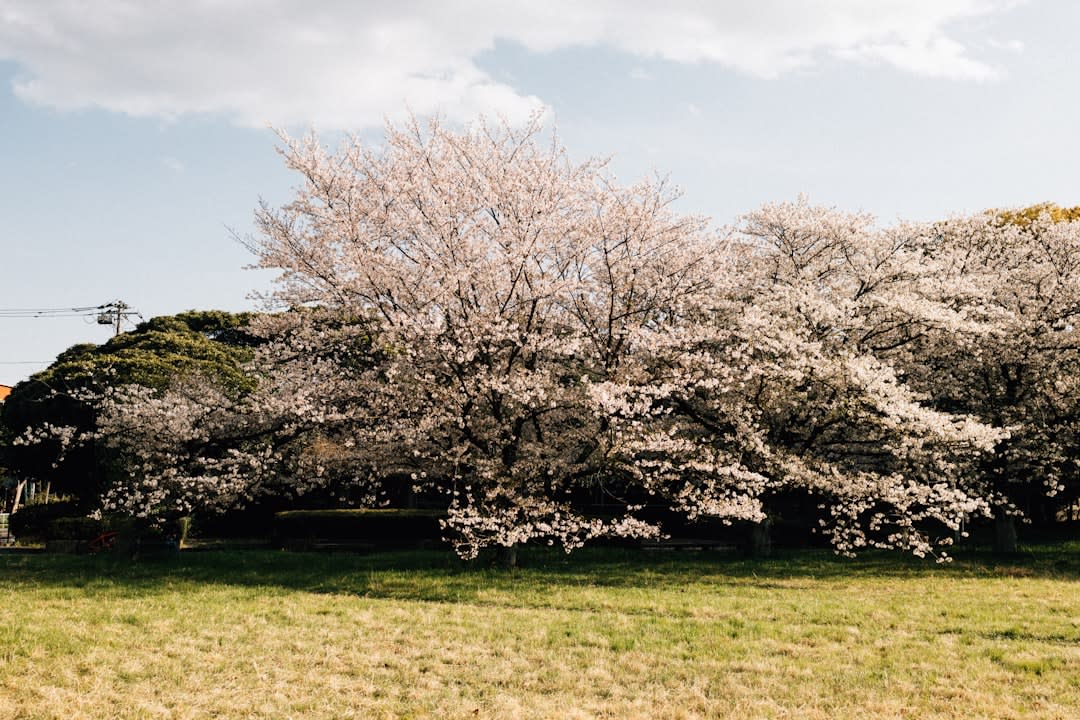
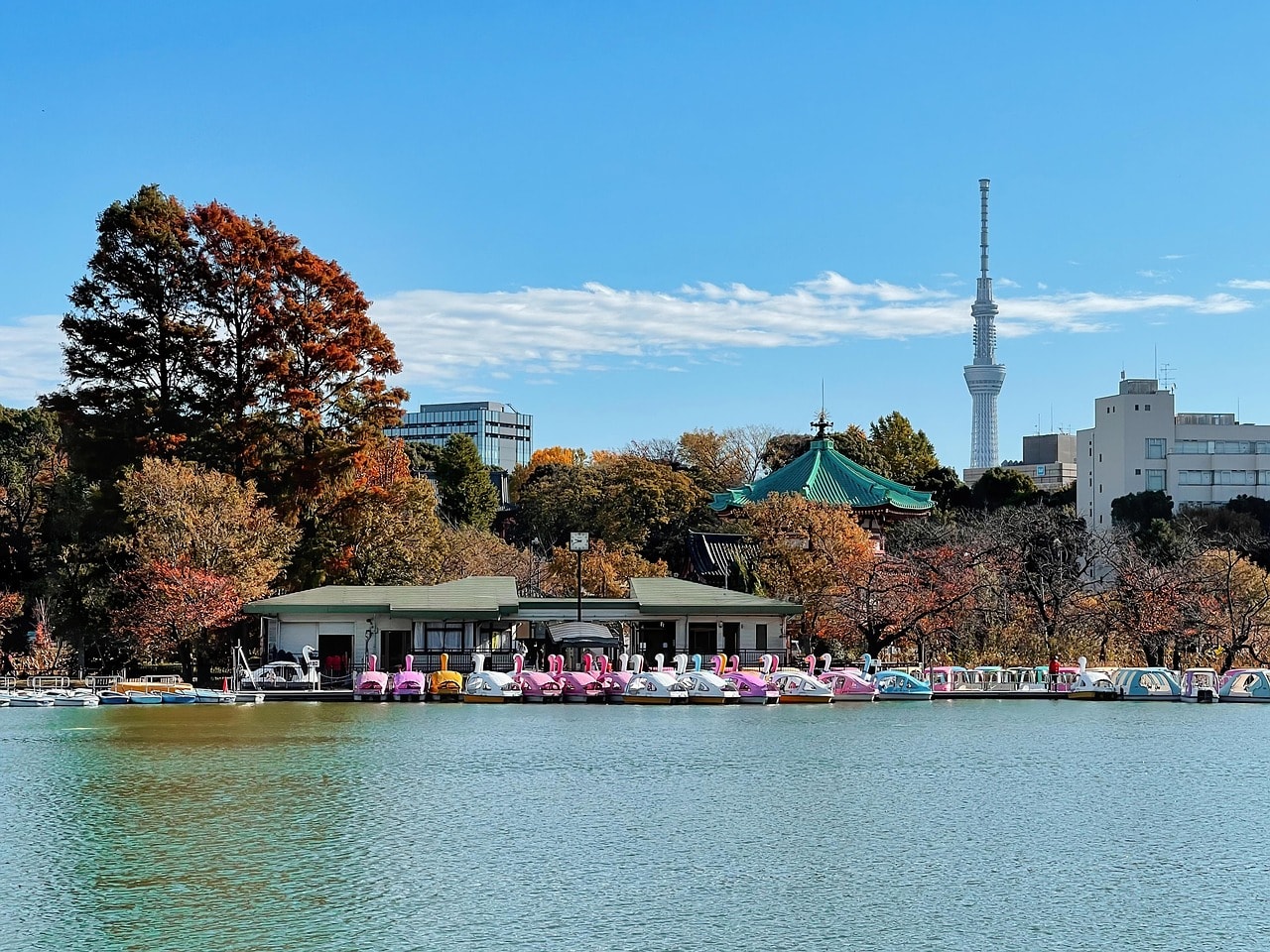
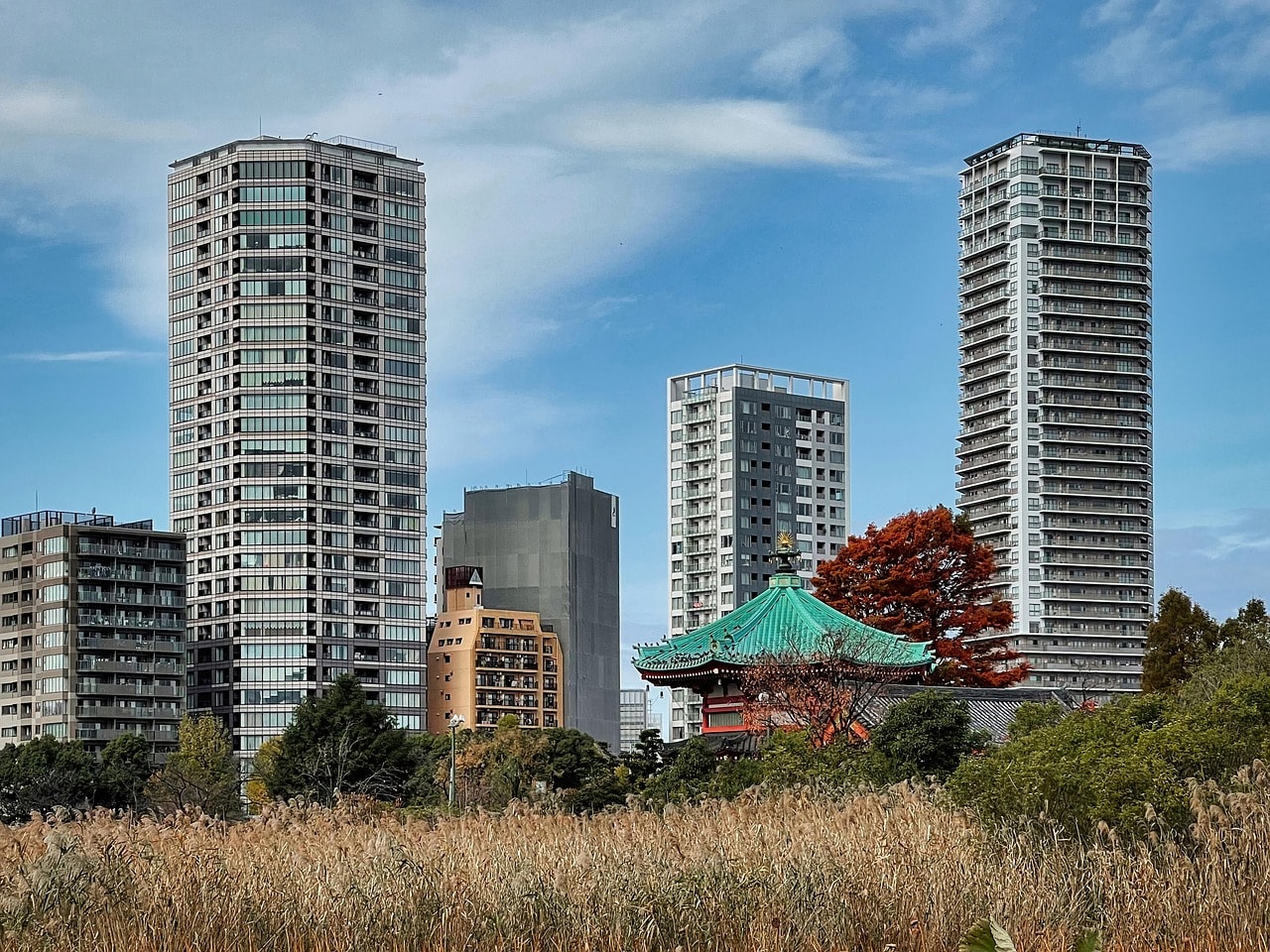
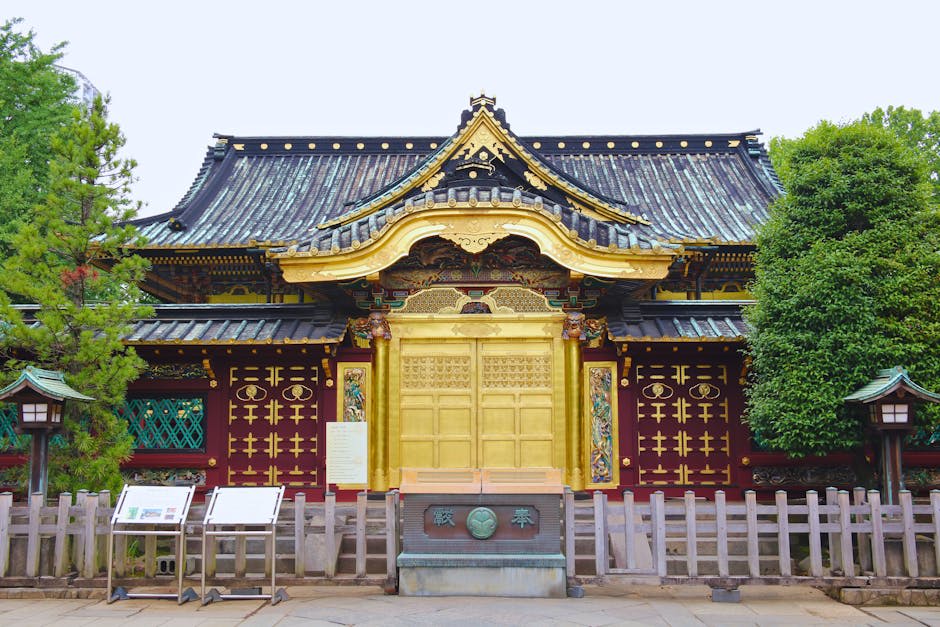
Ueno Park works well for travelers who want several attractions in one area. You can choose a museum, walk around Shinobazu Pond, visit small temples and shrines, or continue toward Ameya-Yokocho for casual food and shopping. It is especially popular during cherry blossom season, but it is useful year-round because there are indoor options nearby.
8. Understand Japanese art and history at Tokyo National Museum
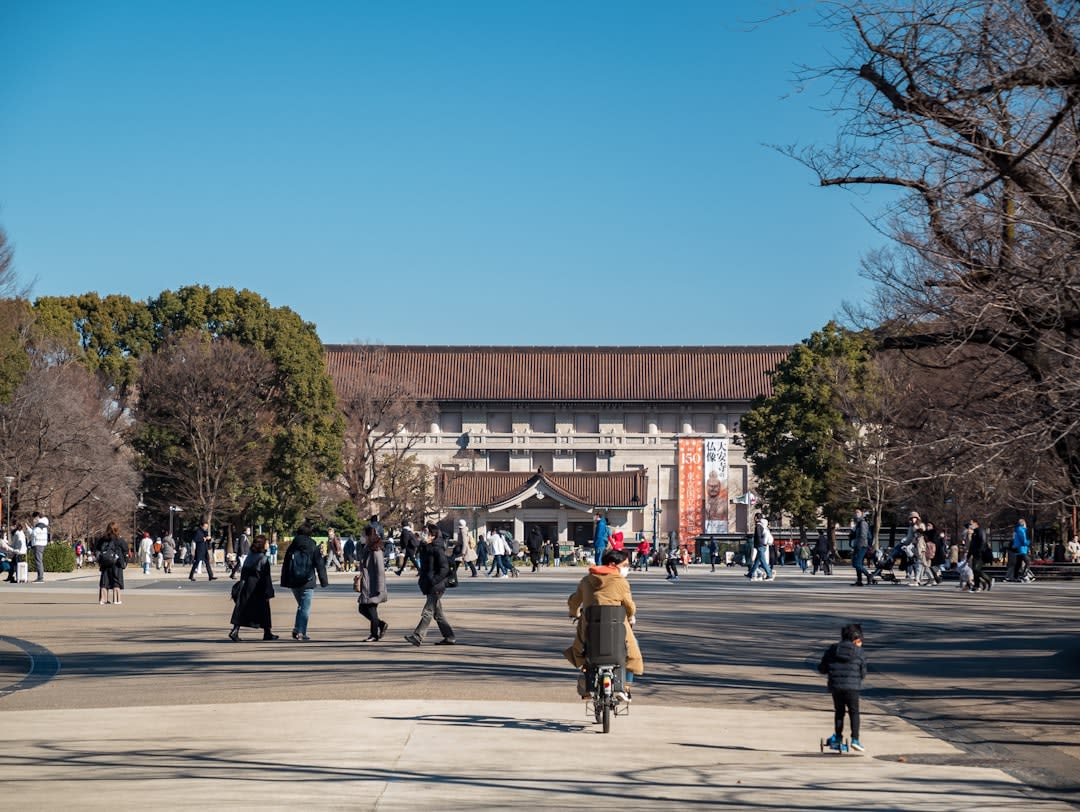
Tokyo National Museum
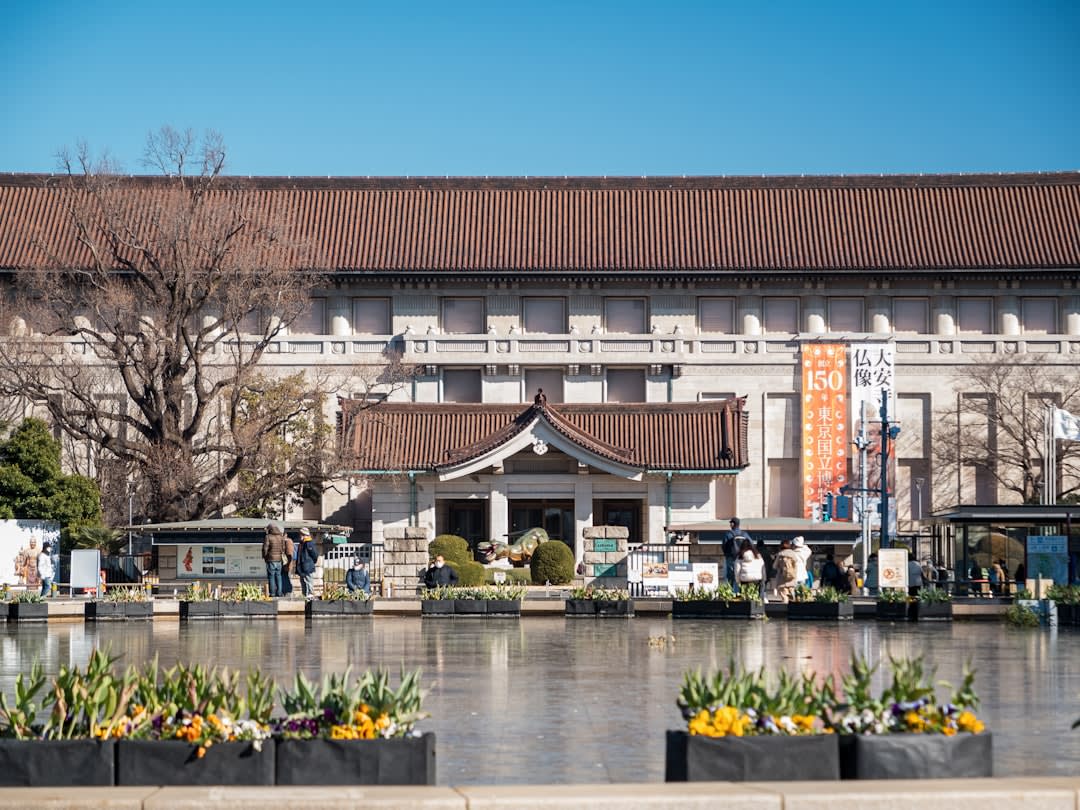
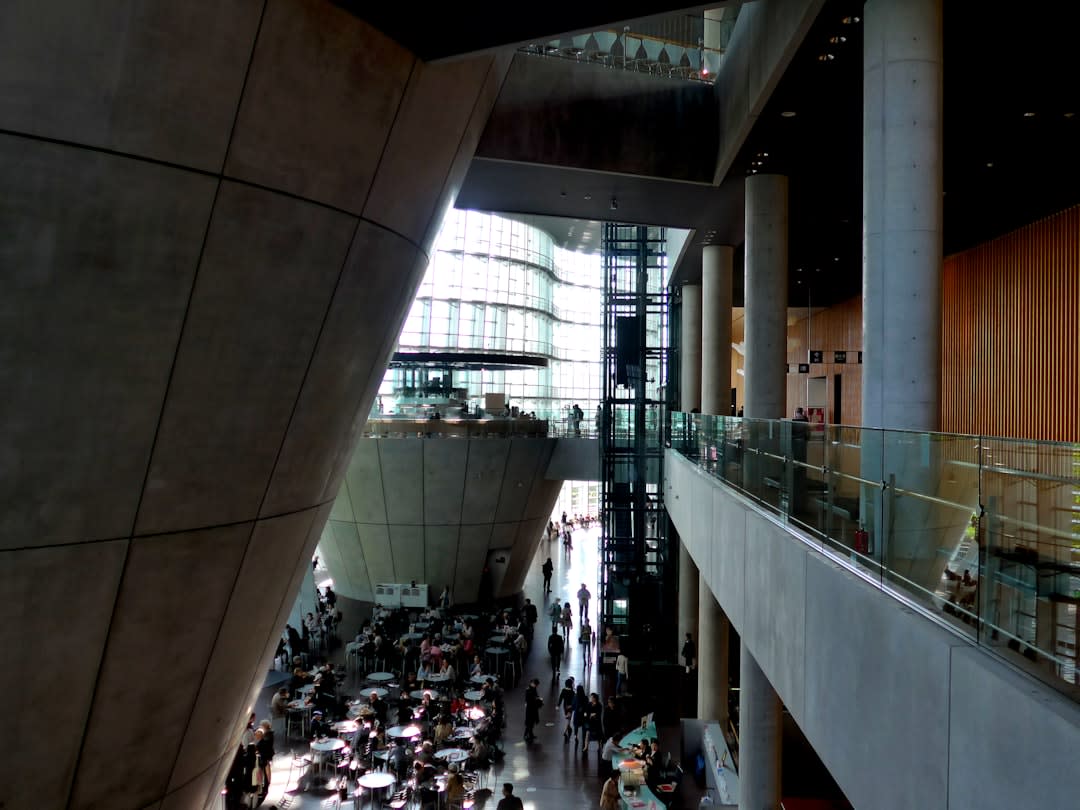
Tokyo National Museum is a strong choice for repeat travelers or anyone who wants more depth than sightseeing photos. It is inside Ueno Park, so it fits easily with other nearby stops. Allow enough time for the main galleries, and consider visiting during hot, rainy, or cold weather when an indoor cultural attraction is especially useful.
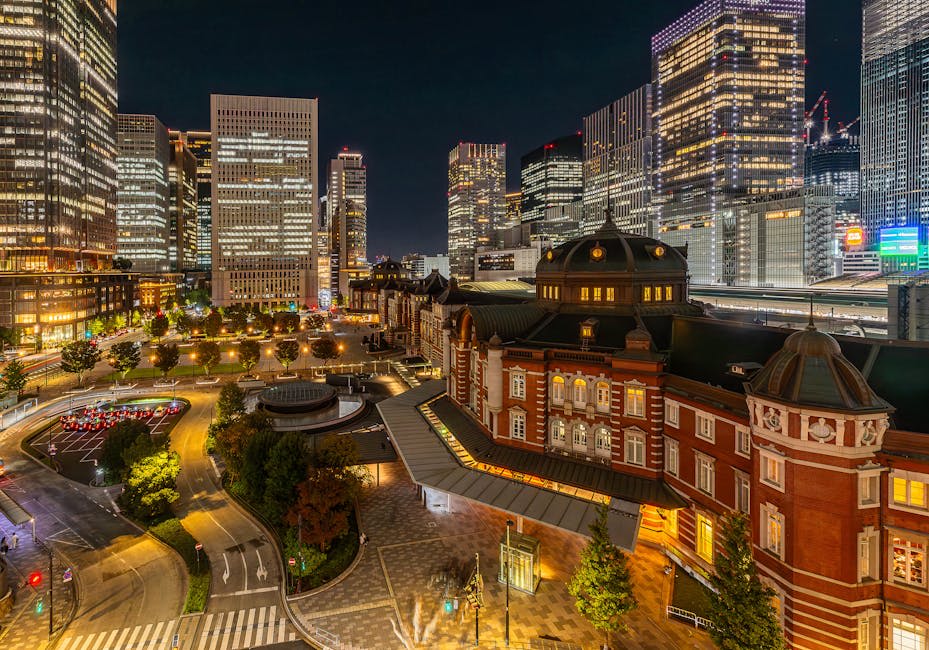
9. Visit the Imperial Palace East Gardens near Tokyo Station
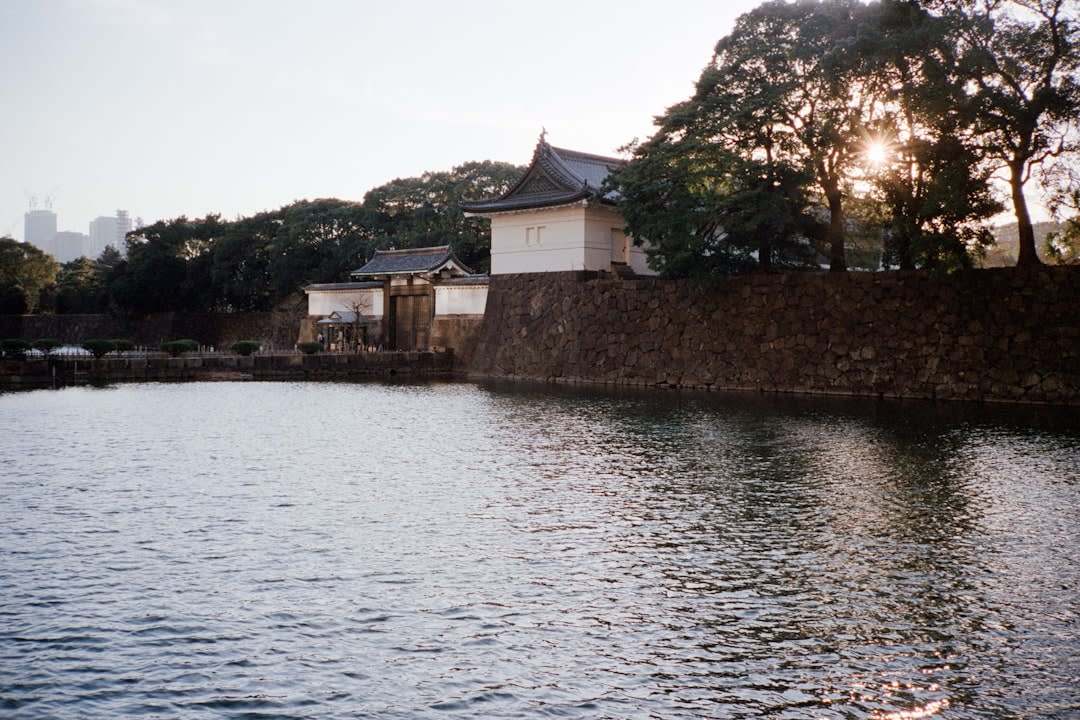
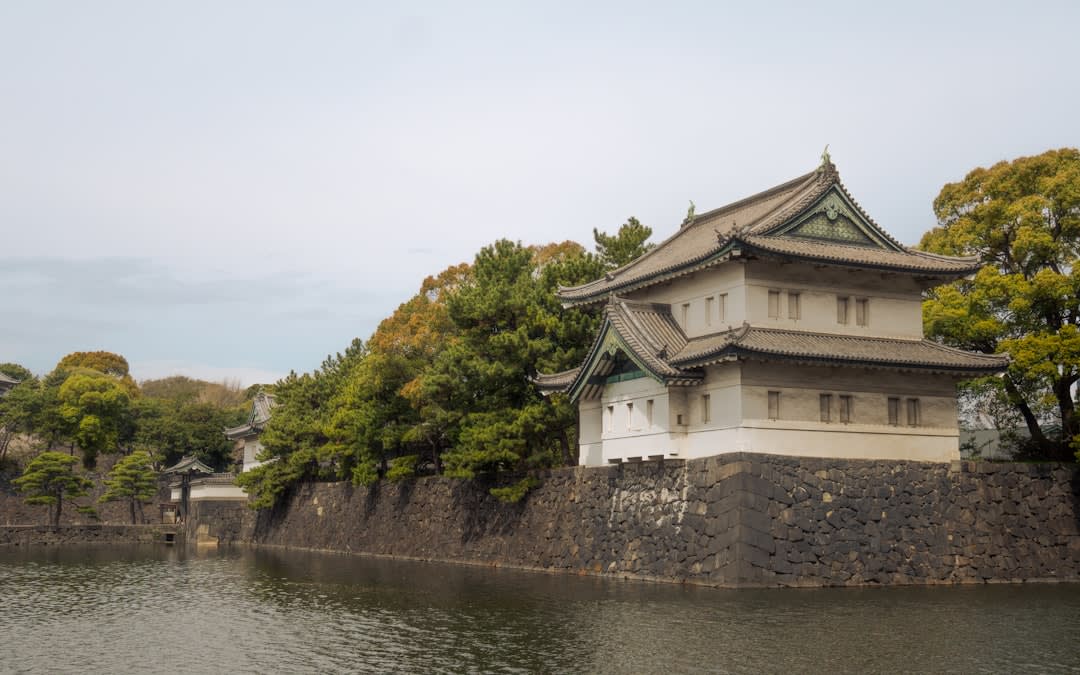
Imperial Palace East National Gardens
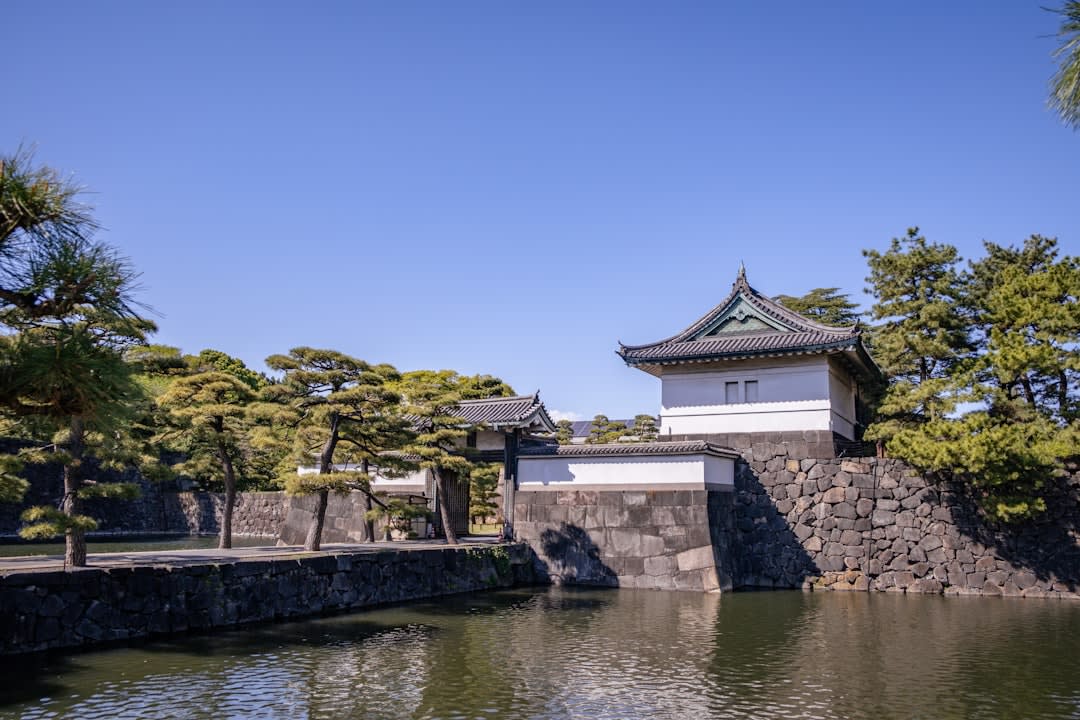
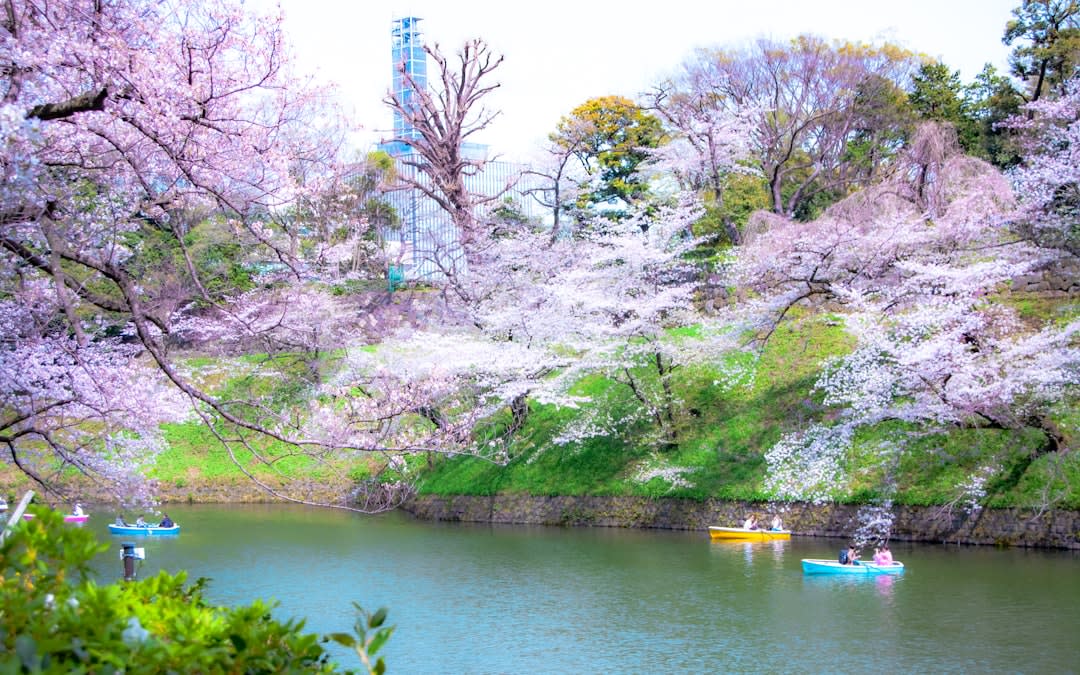
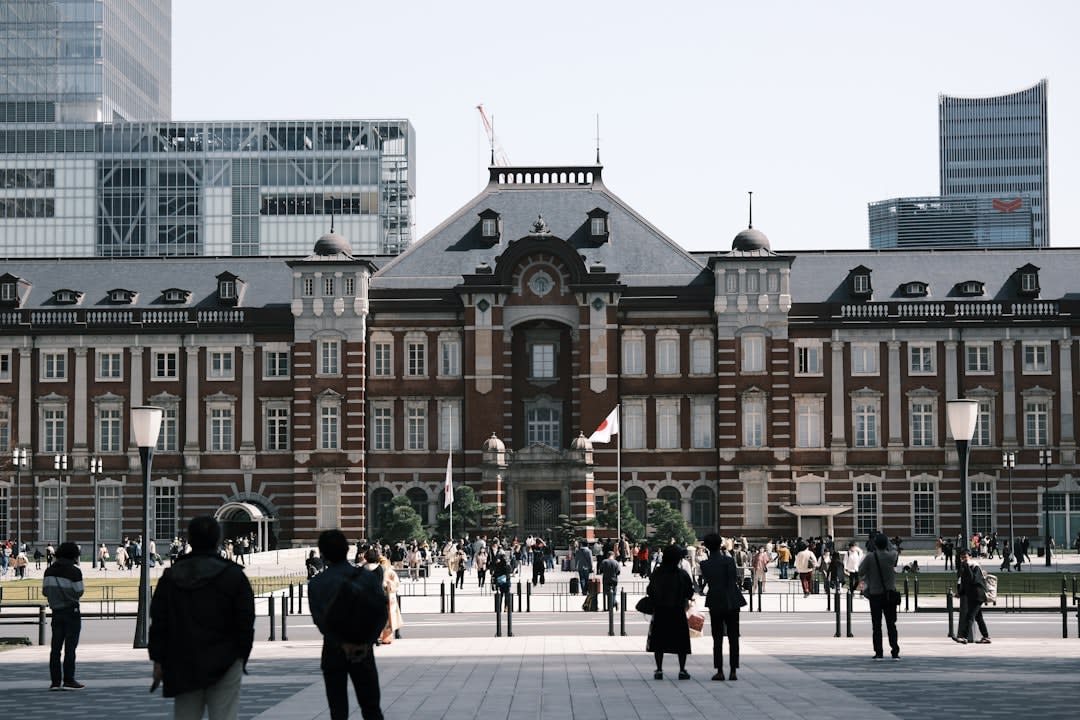
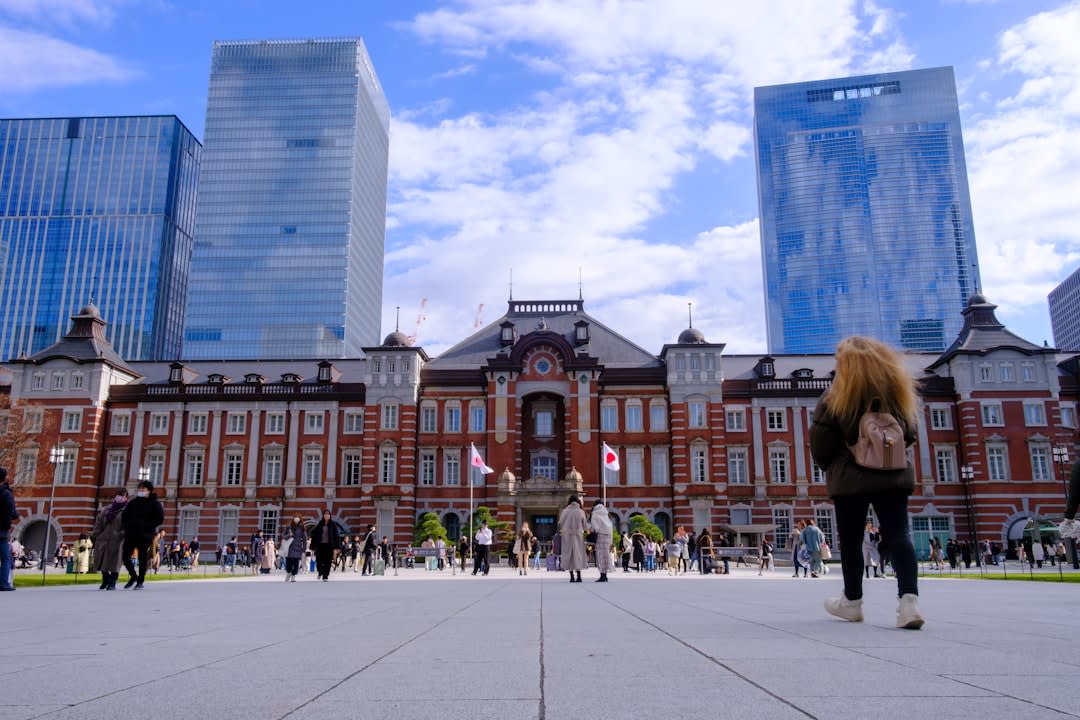
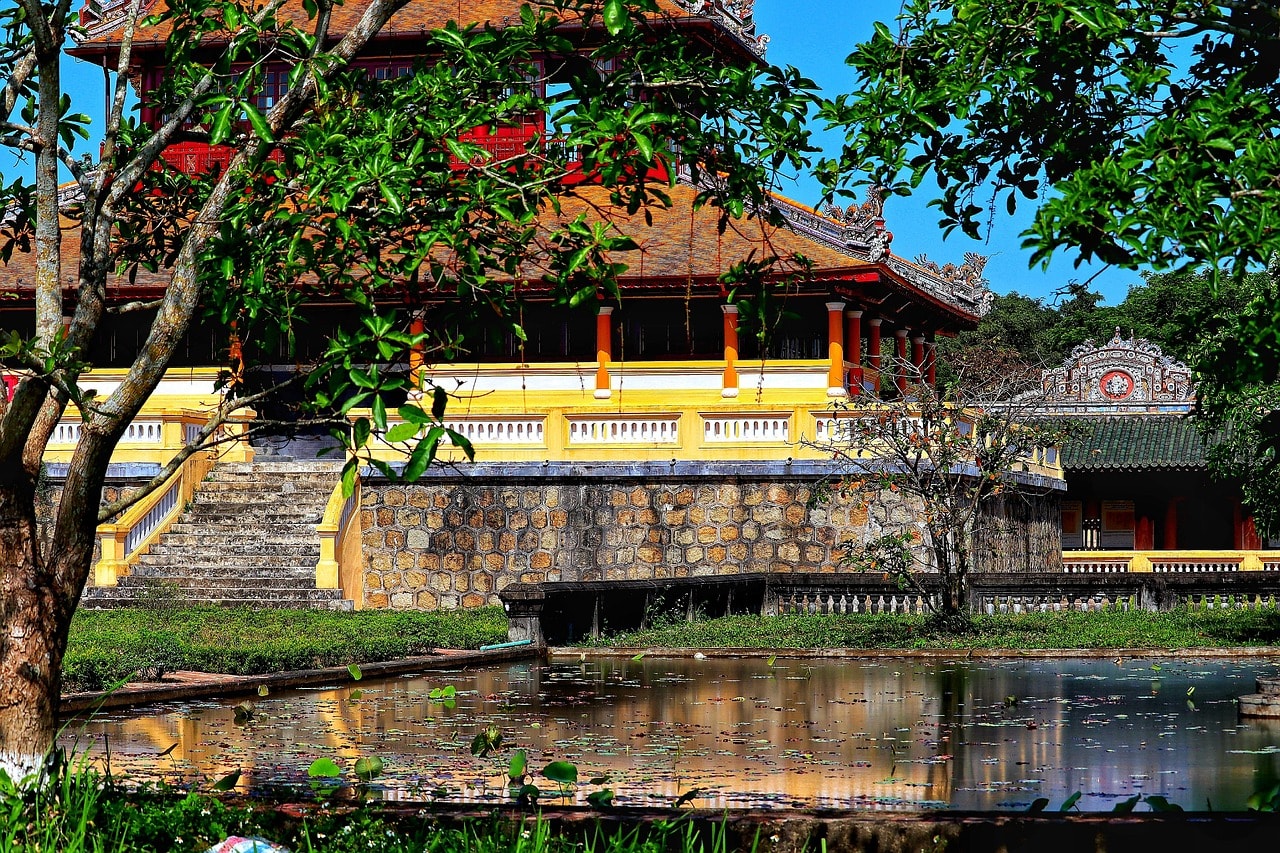
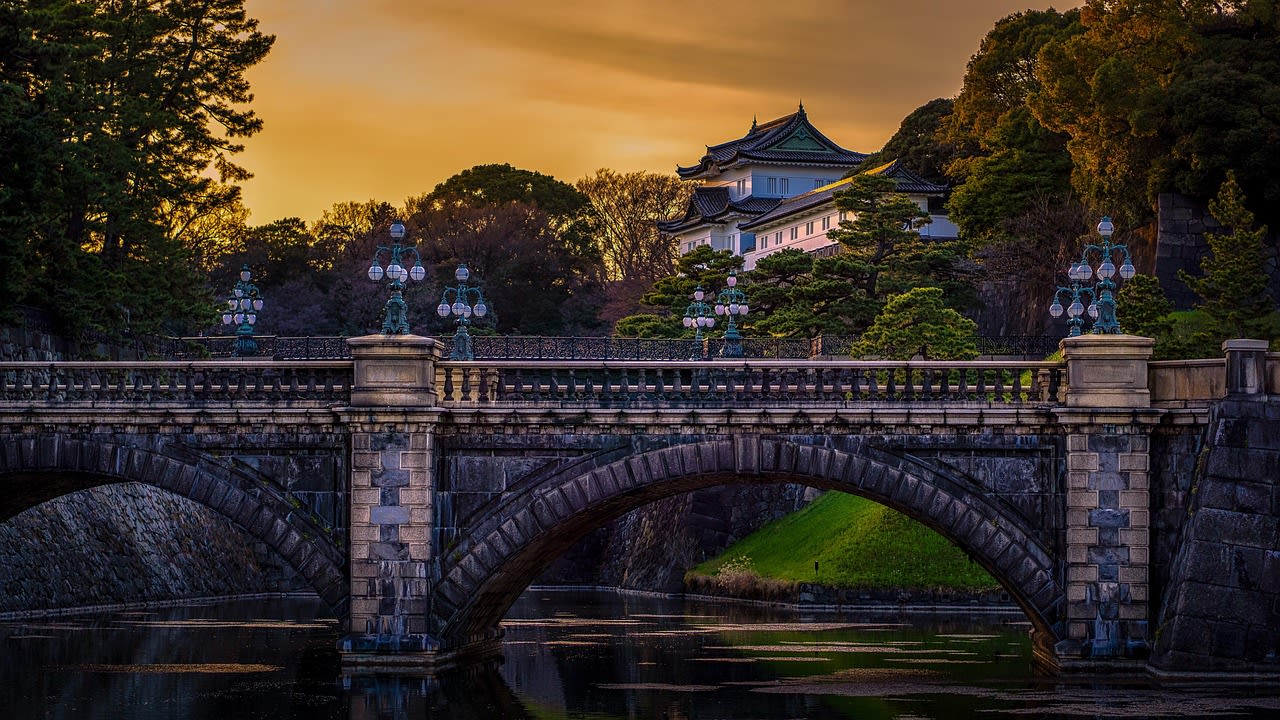
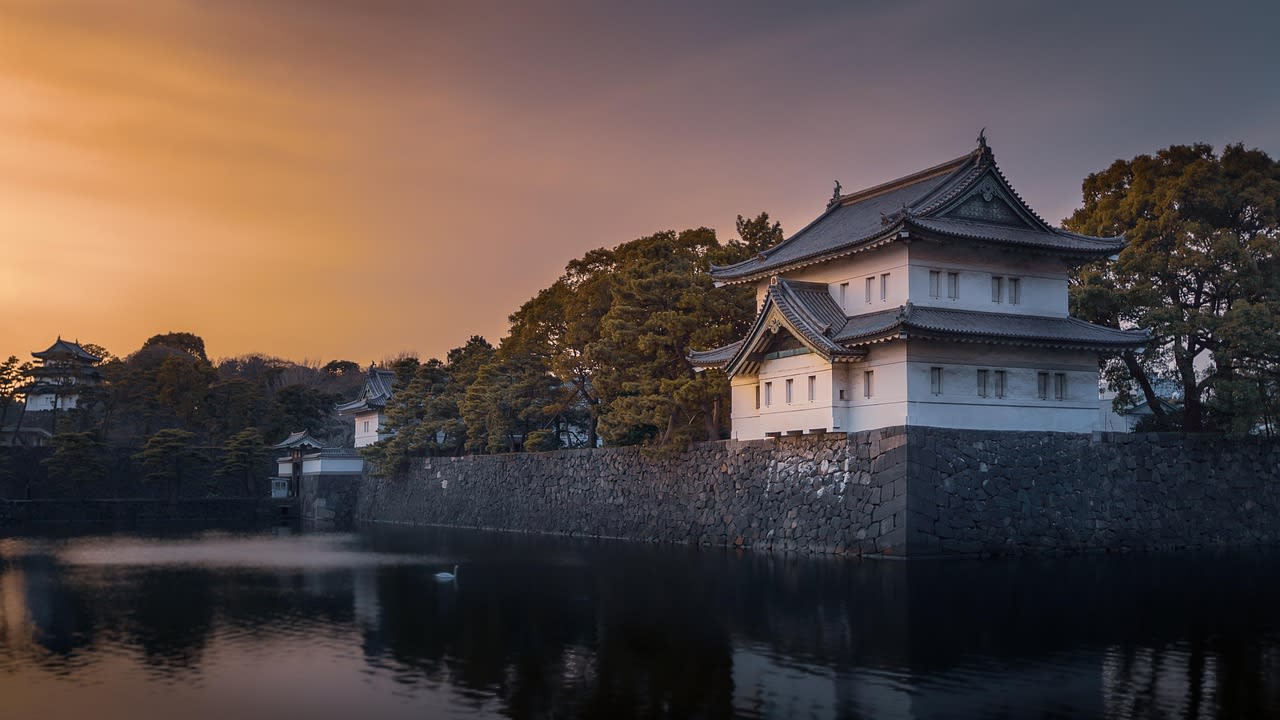
The Imperial Palace East Gardens are a practical stop for travelers staying around Tokyo Station, Marunouchi, or Ginza. The gardens show stone walls, moats, open lawns, and historic castle site details without requiring a long detour. Go during daylight, then pair the visit with Marunouchi's restaurants, station food shops, or a walk toward Hibiya.
10. Use Tokyo Tower for a classic city landmark
Tokyo Tower
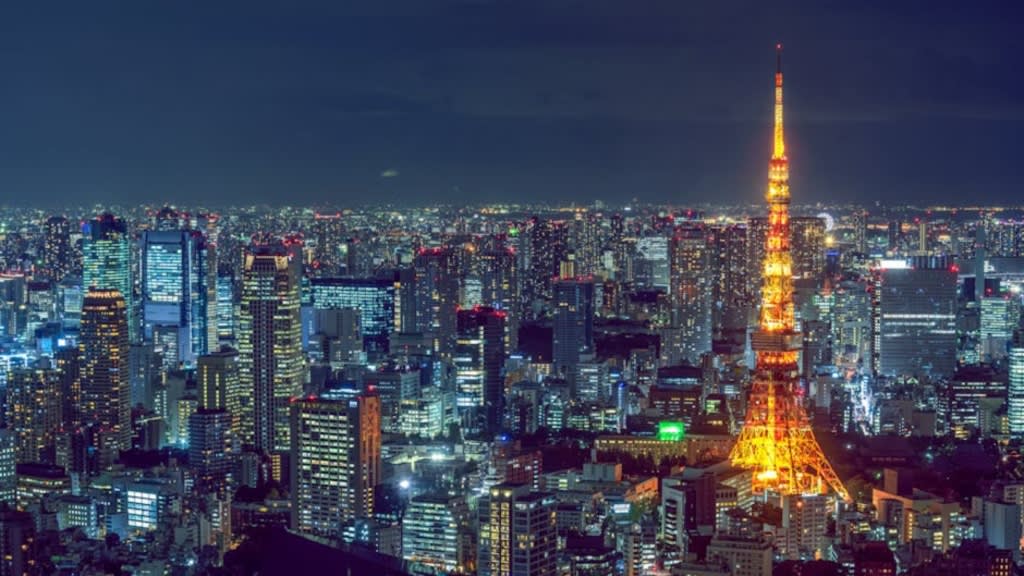
Tokyo Tower remains worth visiting because it has a warmer, more nostalgic feel than many newer observation spots. It is easy to combine with Zojo-ji Temple, Shiba Park, Roppongi, or Azabudai Hills. Come in late afternoon for daylight views, then stay nearby as the tower lights up after dark.
11. Experience digital art at teamLab Planets Tokyo
teamLab Planets TOKYO DMM

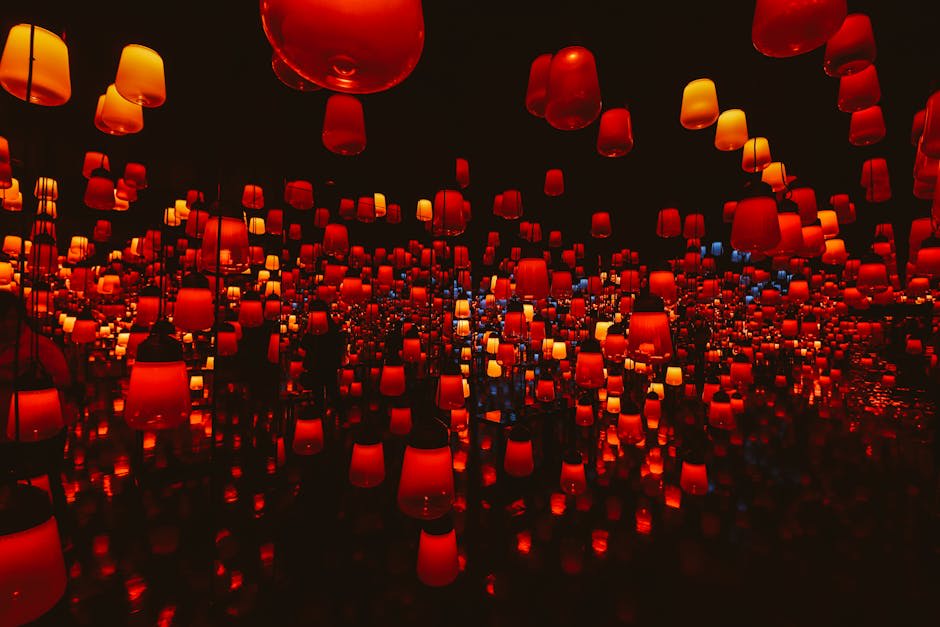
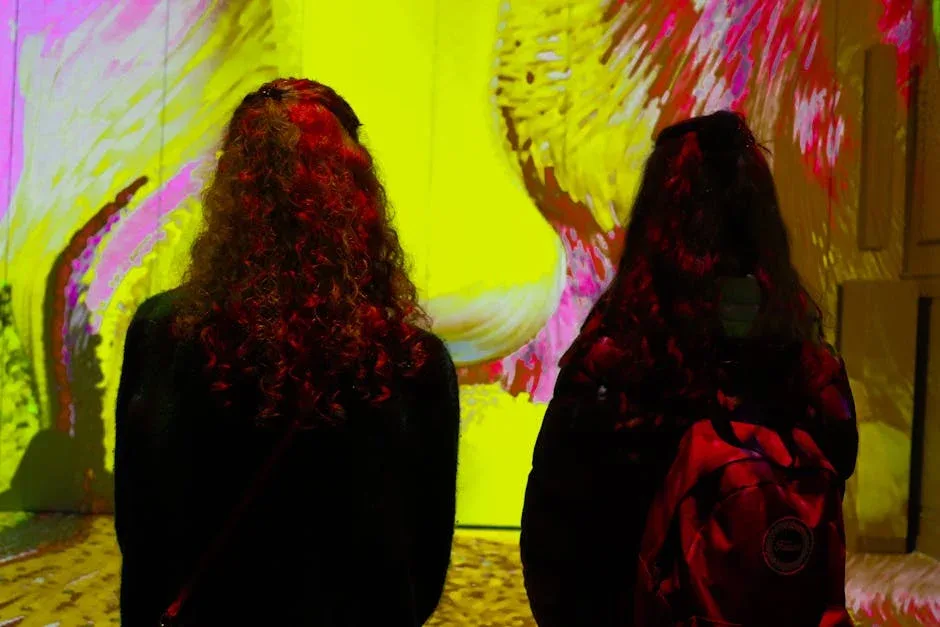
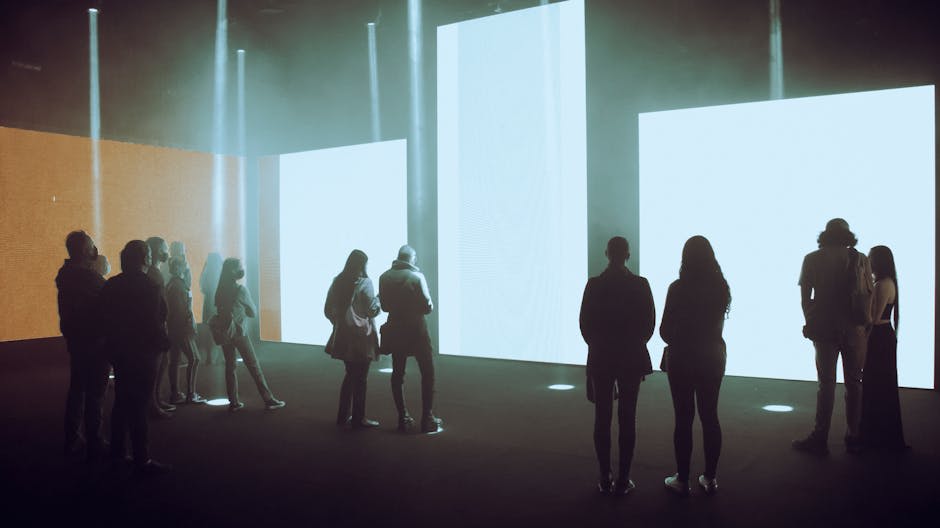
teamLab Planets is a modern attraction that suits travelers who want something more immersive than a standard museum. It is best booked in advance, especially for weekends and holiday periods. The Toyosu location also makes it easy to pair with Toyosu Market, waterfront walks, or a longer Odaiba day if you want a contemporary side of Tokyo.

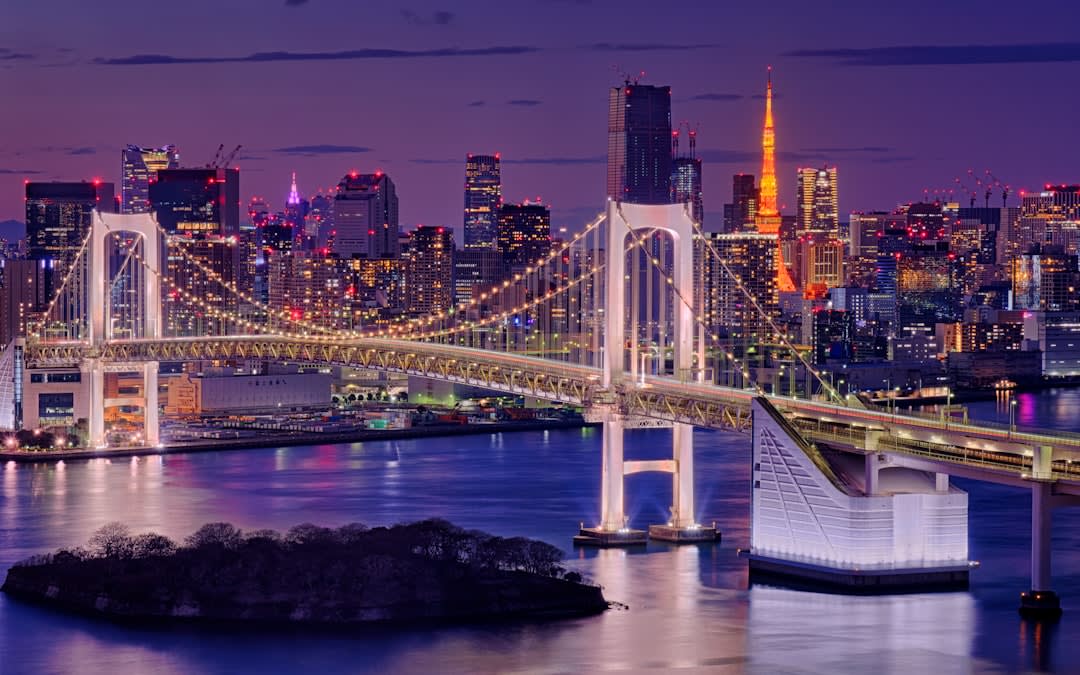
12. See Tokyo's waterfront side in Odaiba
Odaiba Marine Park
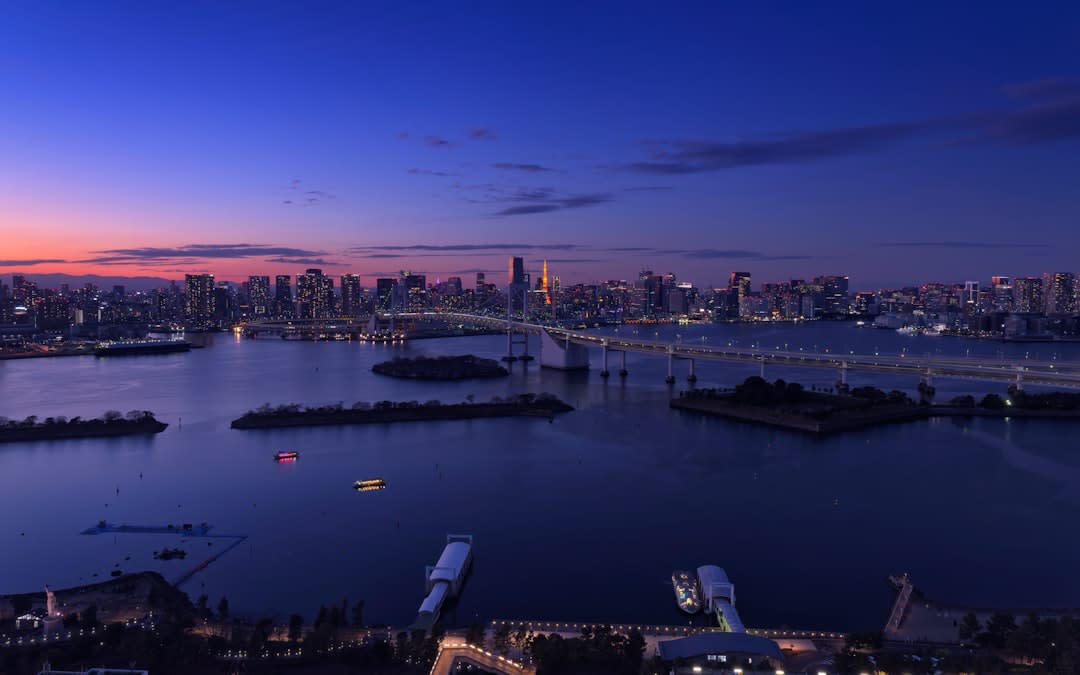
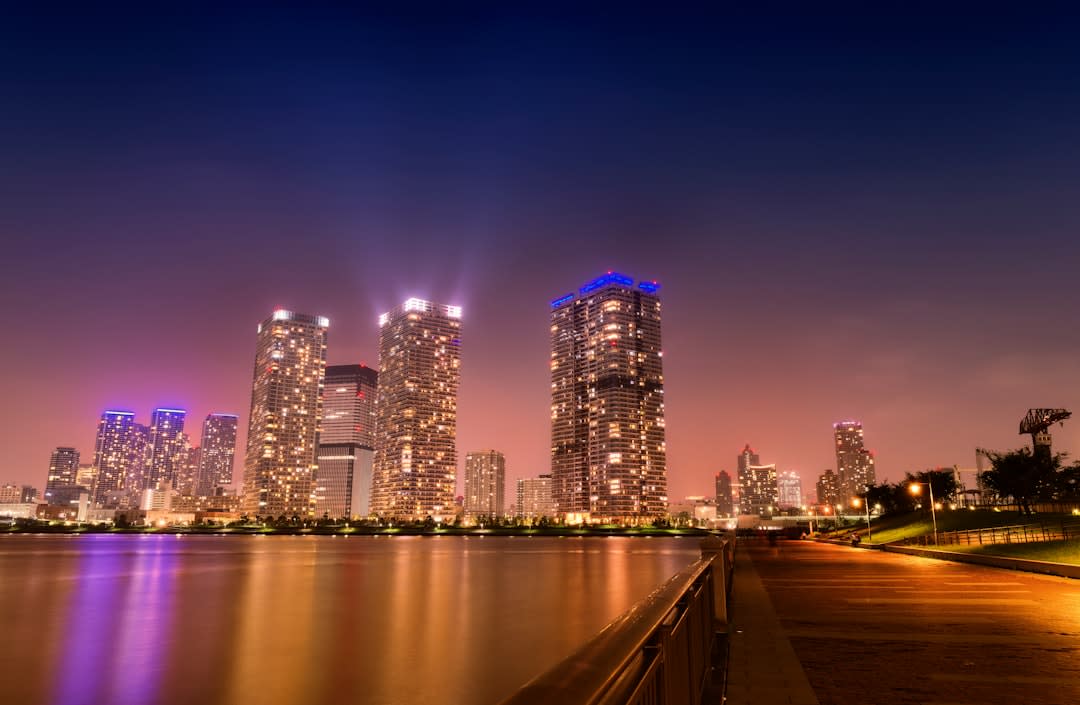
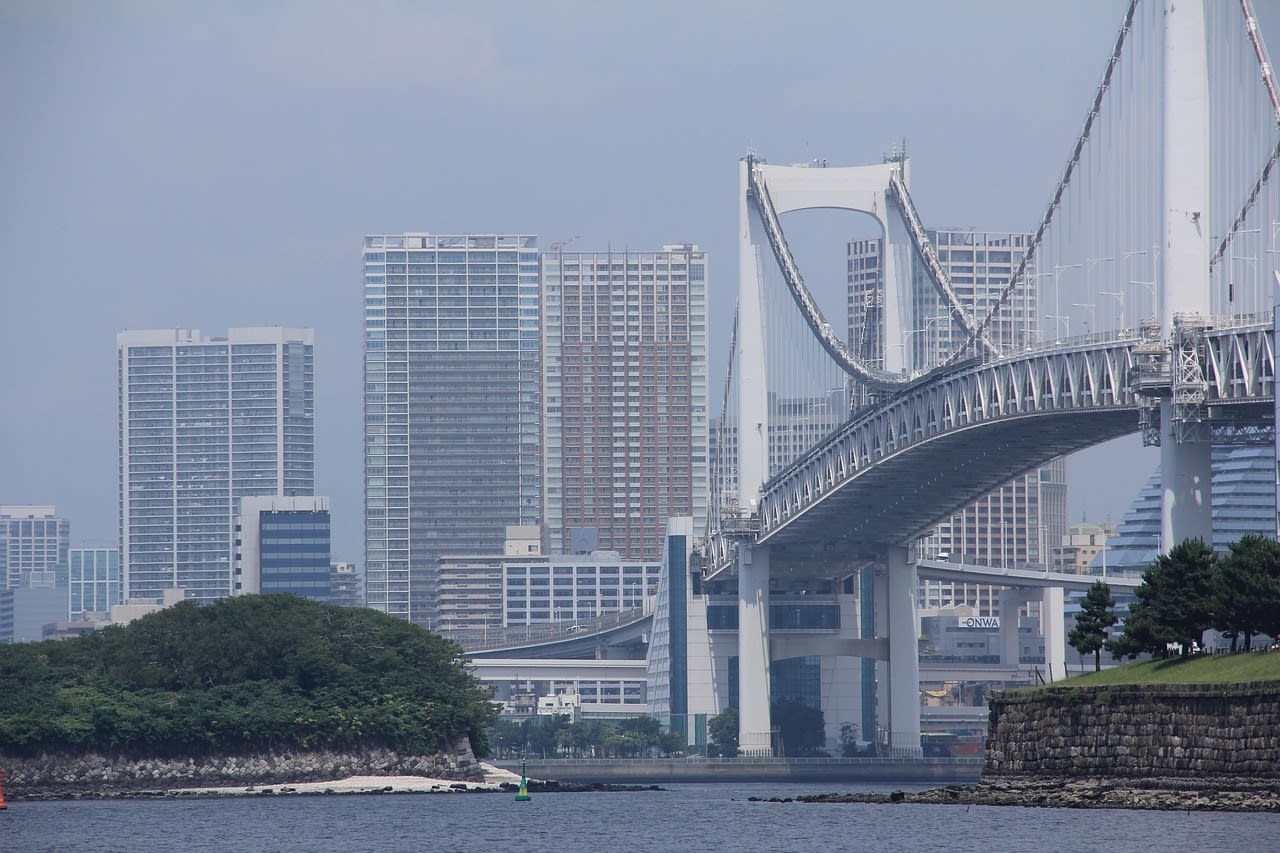
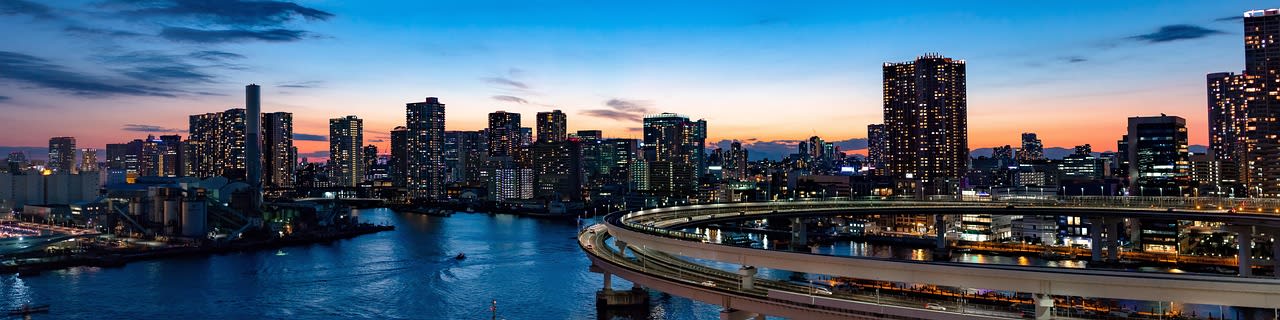
Odaiba is useful when you want open space, bay views, family-friendly attractions, and a different pace from central Tokyo. Visit in the afternoon, walk the waterfront, see the Rainbow Bridge view, then stay into evening for lights across Tokyo Bay. It works well for repeat travelers, families, and anyone who wants a modern leisure district rather than another temple or shopping street.
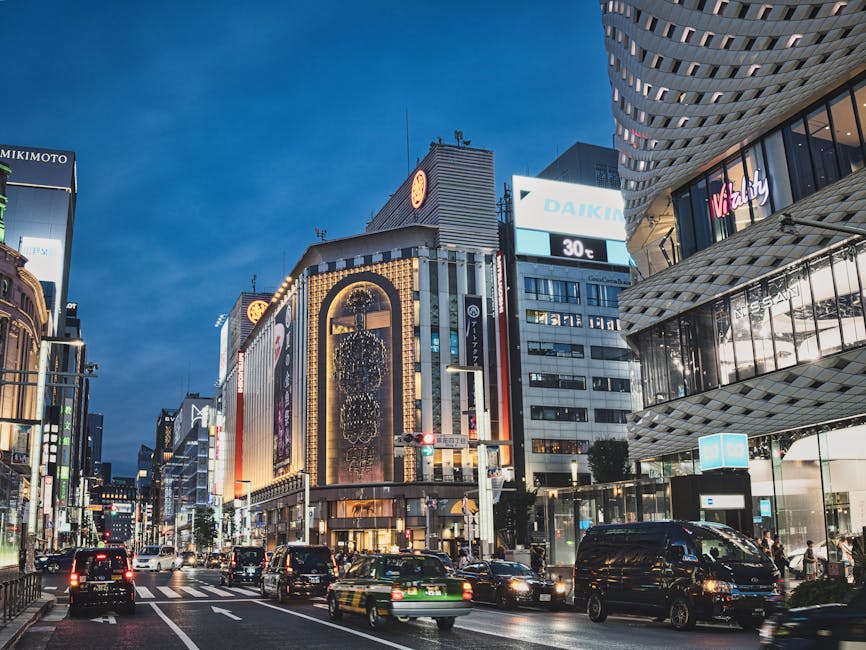
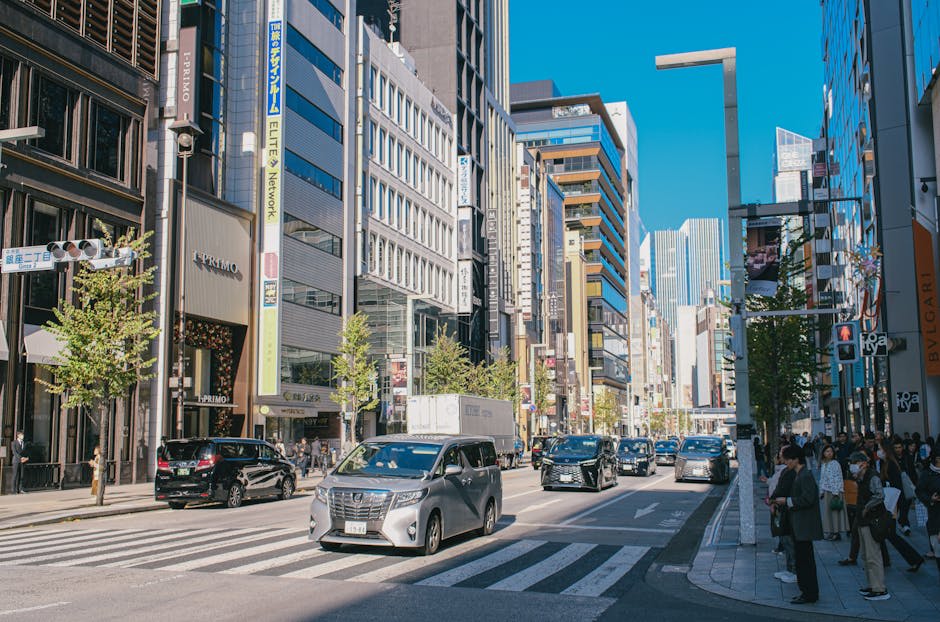
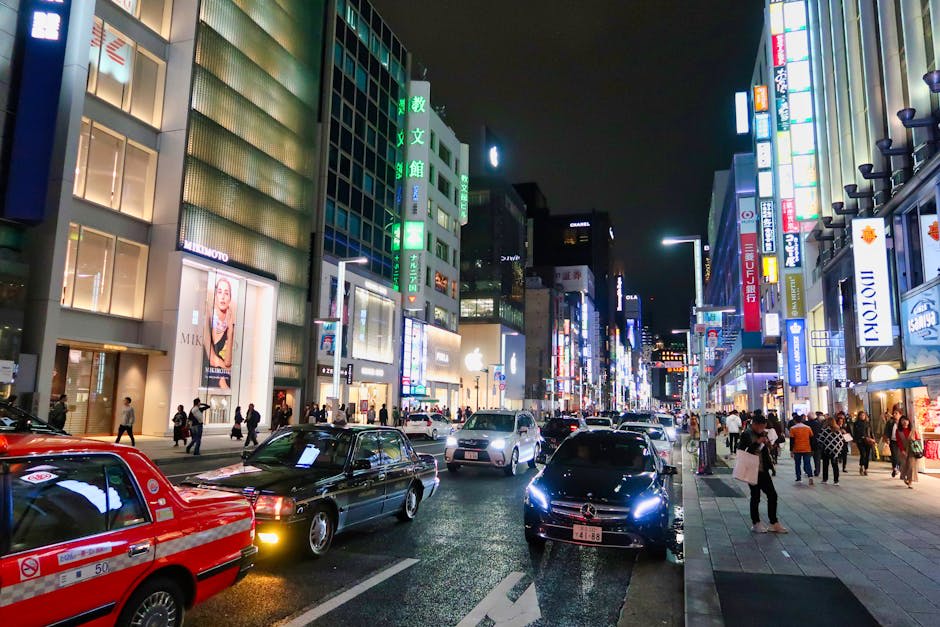
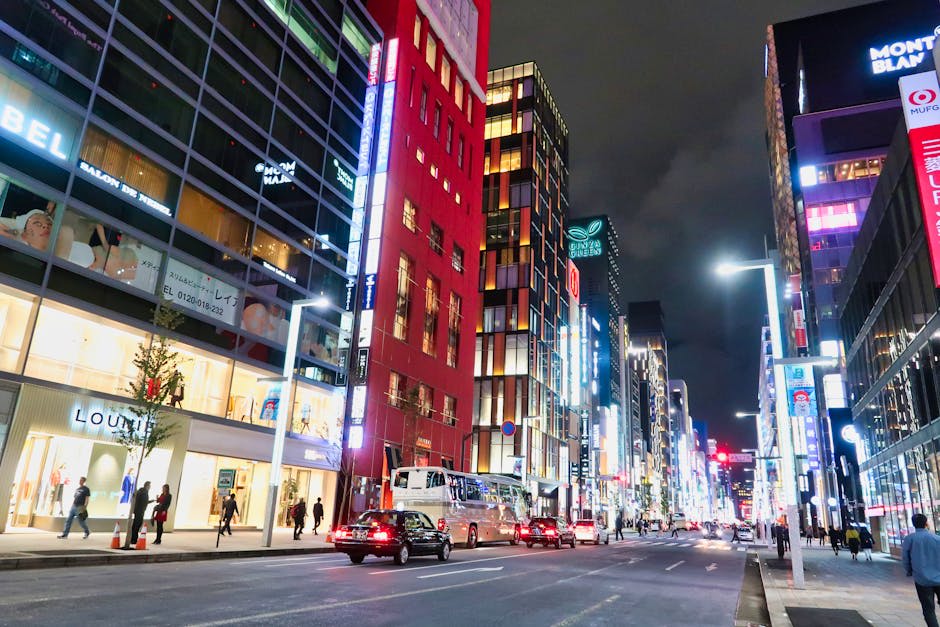
13. Walk Ginza for design, department stores, and polished city life
GINZA SIX
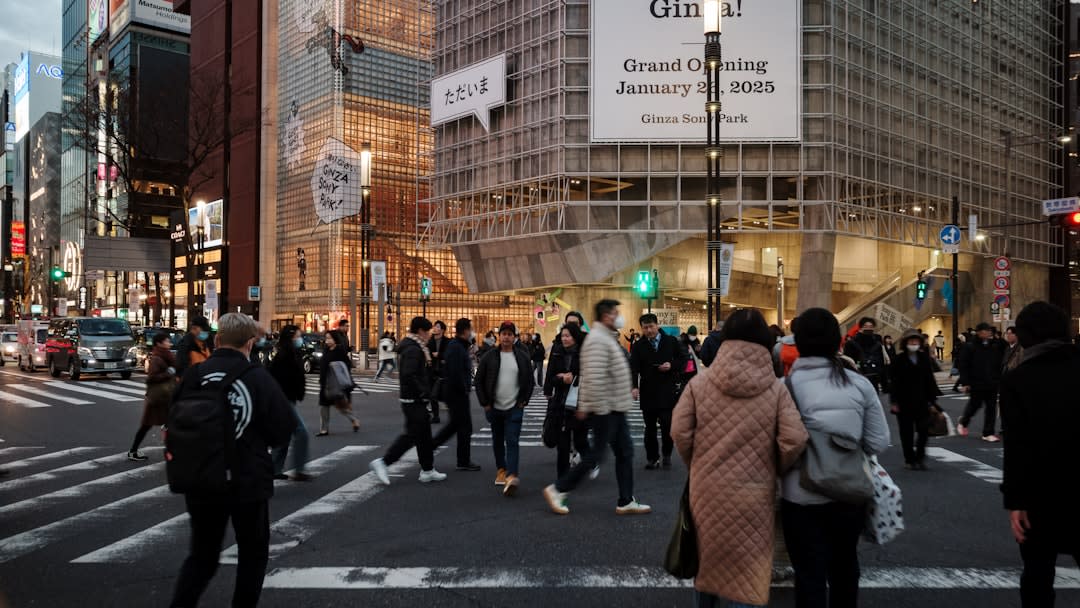
Ginza is a major attraction because it shows Tokyo's refined shopping and design culture in a compact area. Even travelers who are not planning to shop can enjoy architecture, department store food halls, galleries, cafes, and easy access to Yurakucho and Tokyo Station. Weekends are especially pleasant when parts of the main street often feel more walkable.
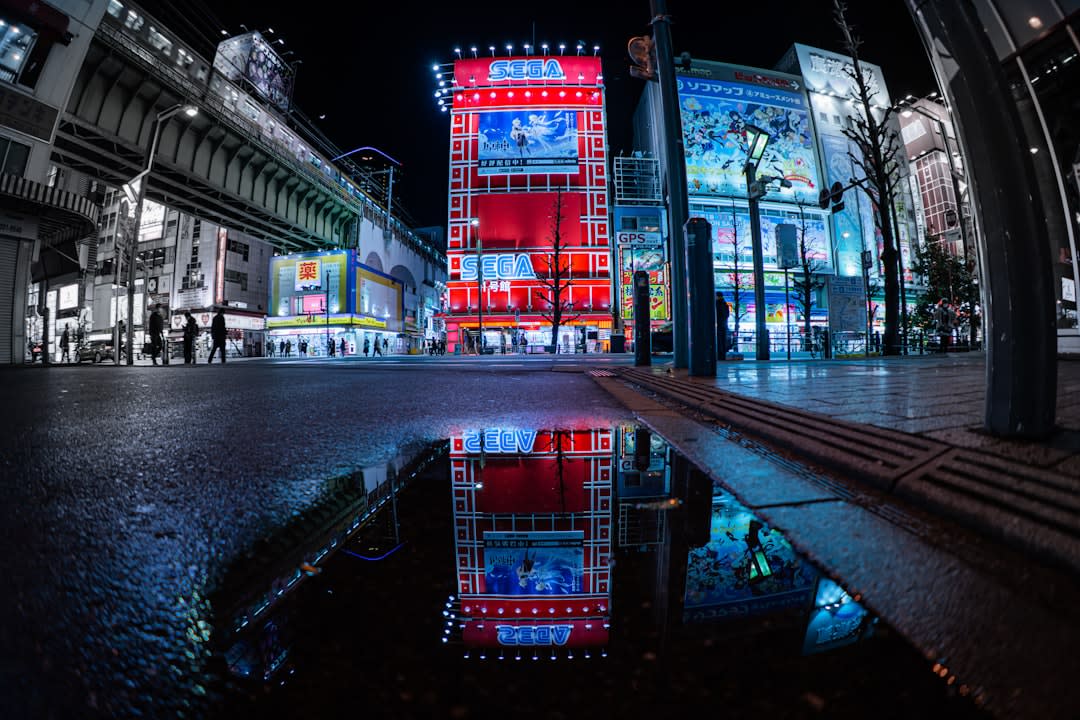
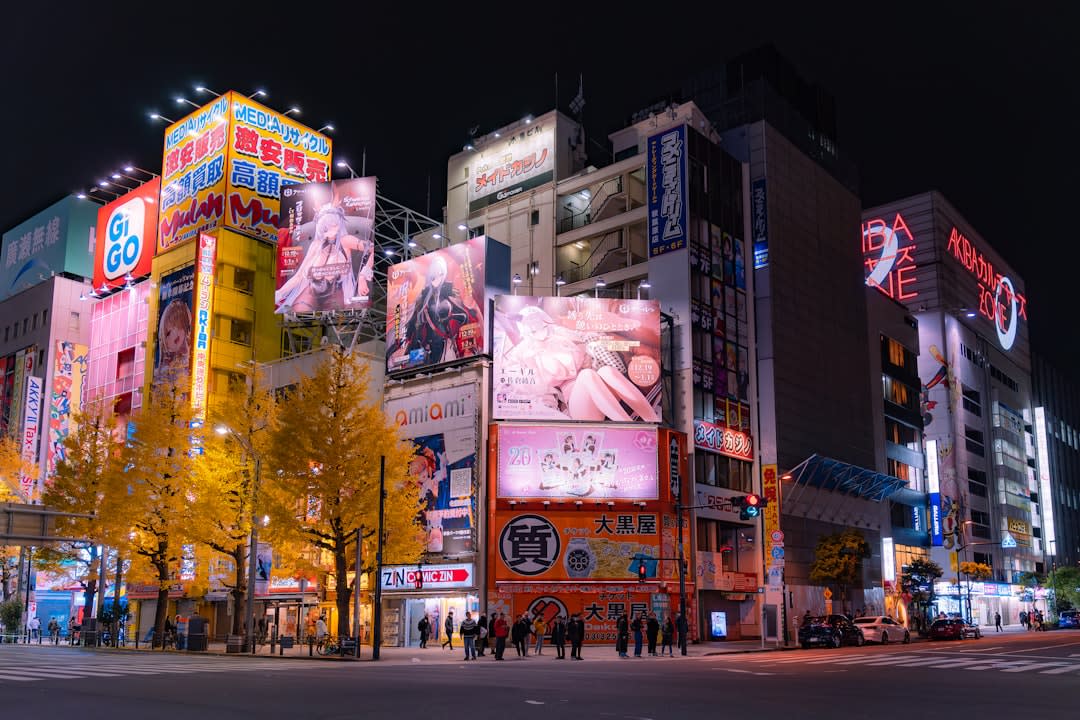
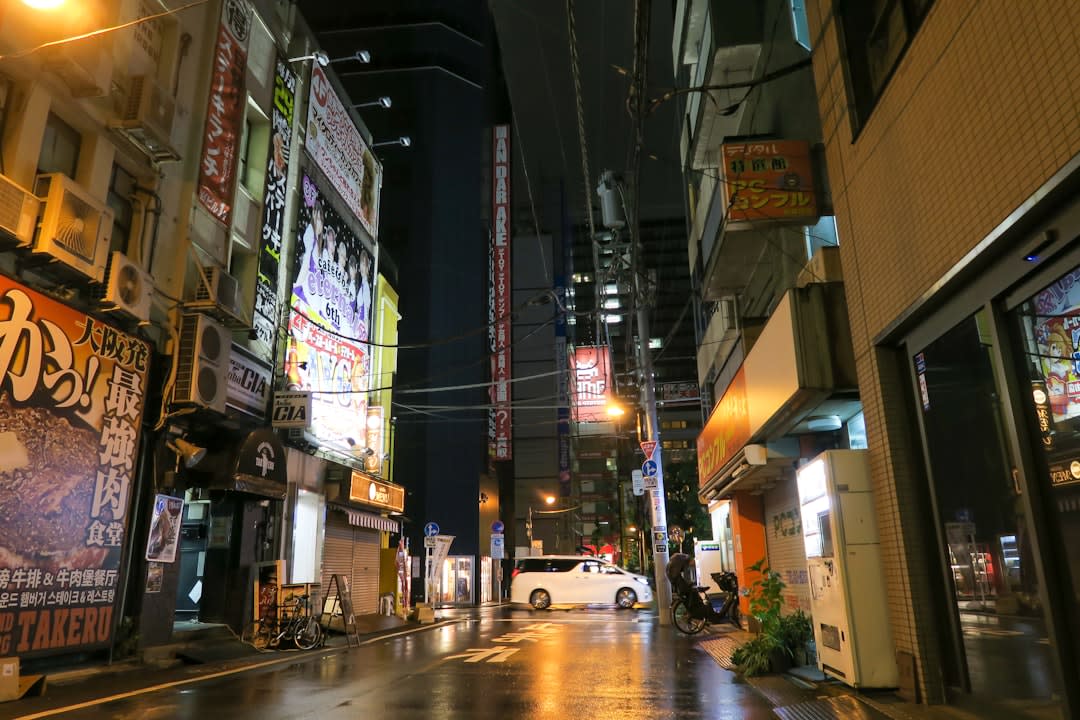
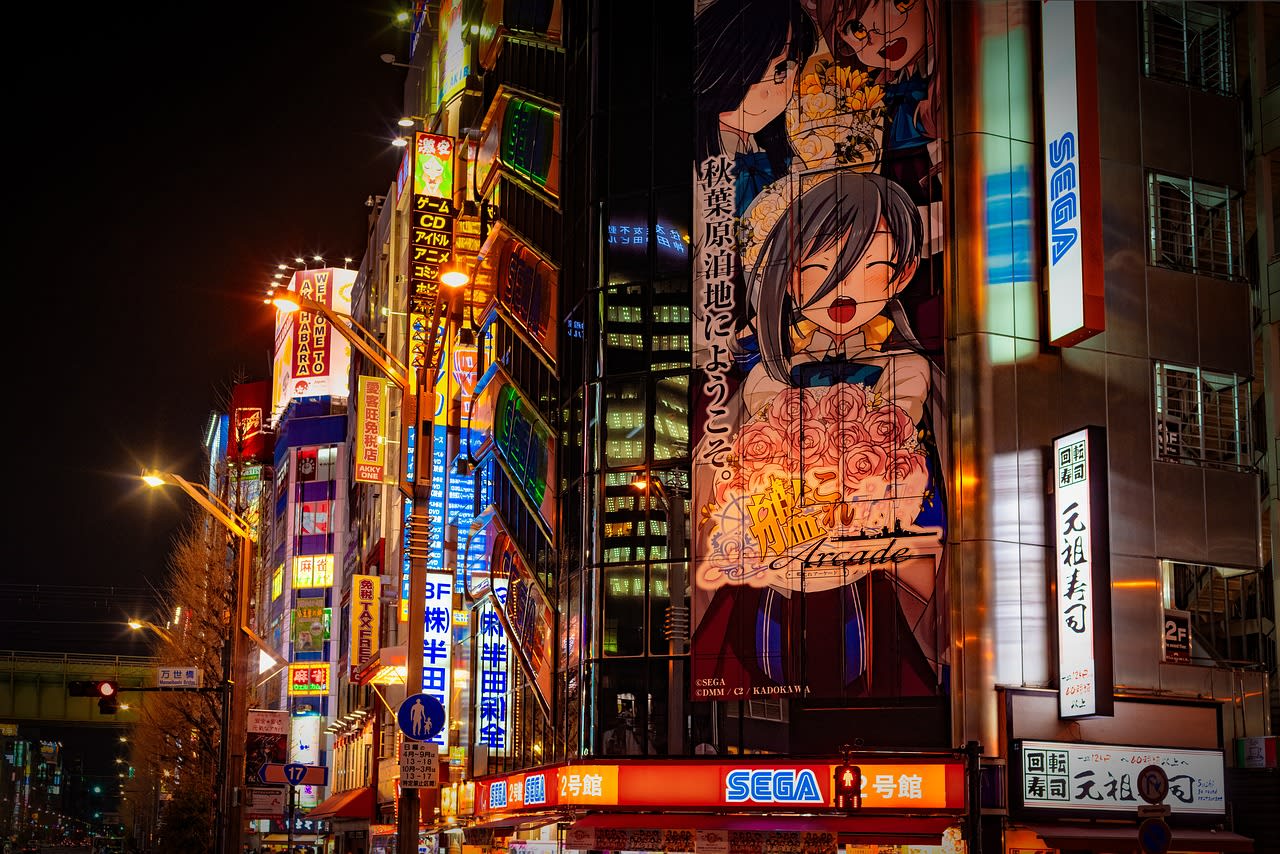
14. Use Akihabara for pop culture, electronics, and a lively repeat visit
Akihabara Electric Town
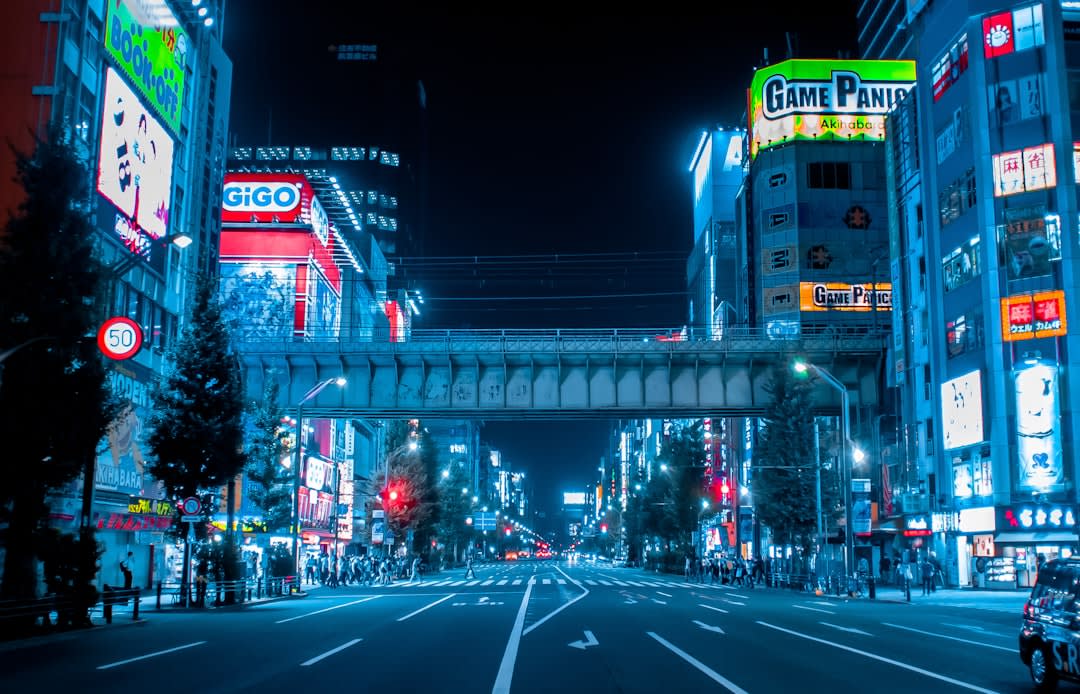
Akihabara is not a quiet sightseeing stop, but it is one of Tokyo's most recognizable modern districts. It is best for travelers interested in anime, games, electronics, arcades, collectibles, and themed shops. Go in the afternoon or evening when the area feels more active, and combine it with Ueno, Kanda, or a quick stop at nearby shrines if you want more variety.
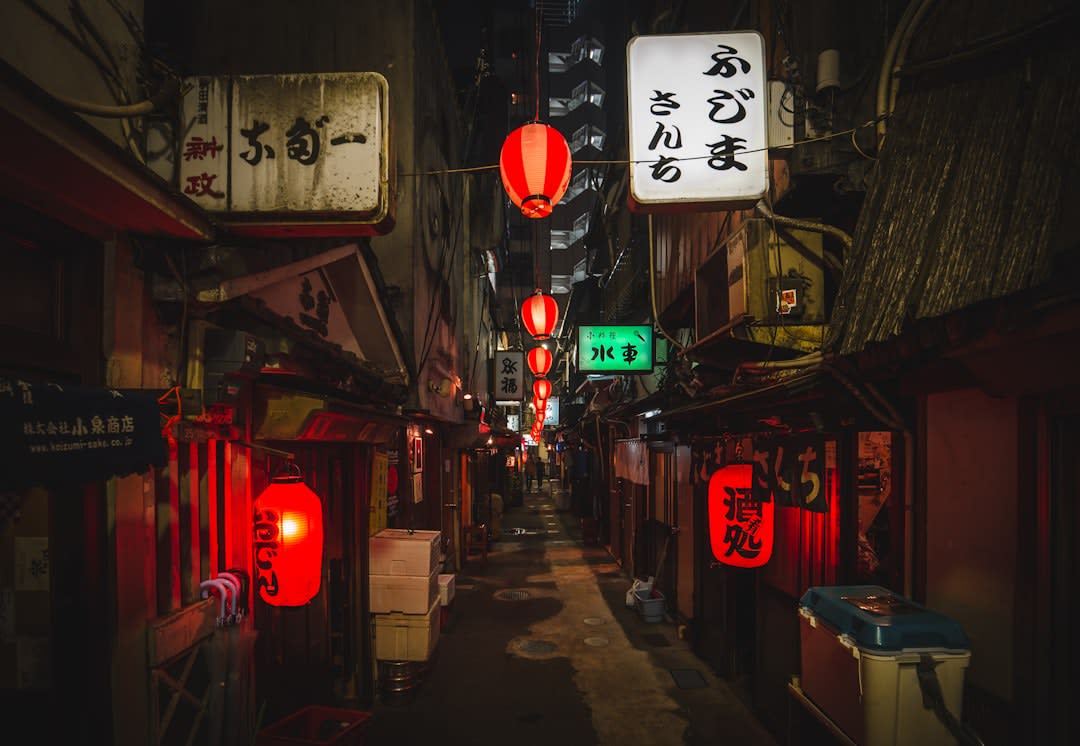
15. End with nightlife views and food in Shinjuku
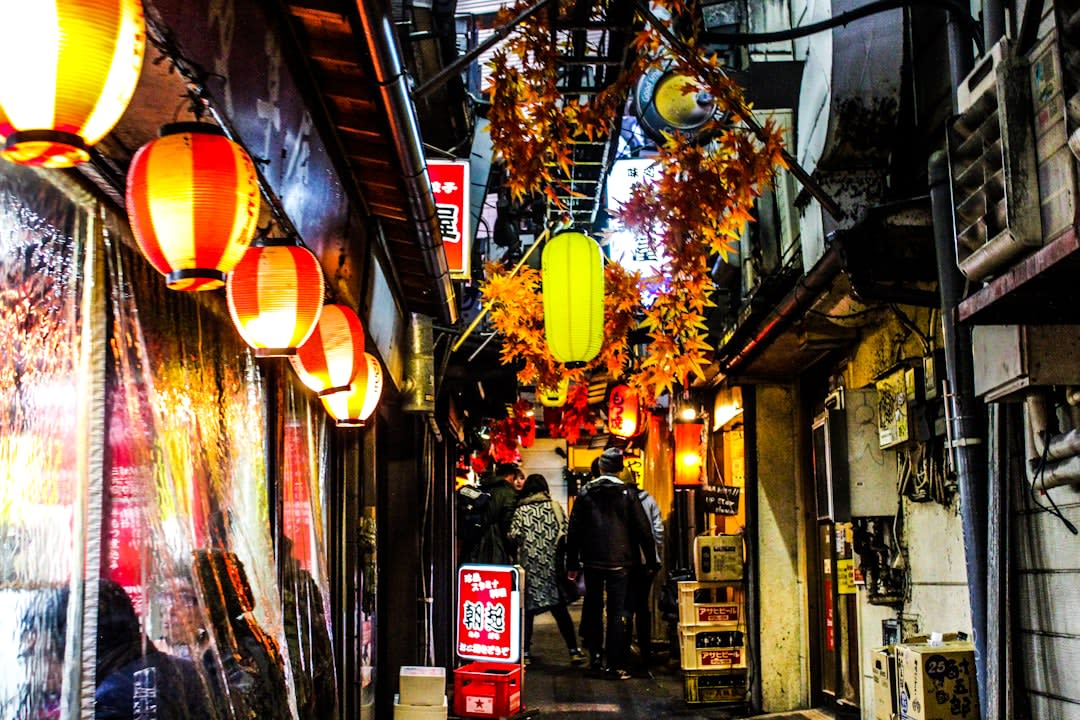
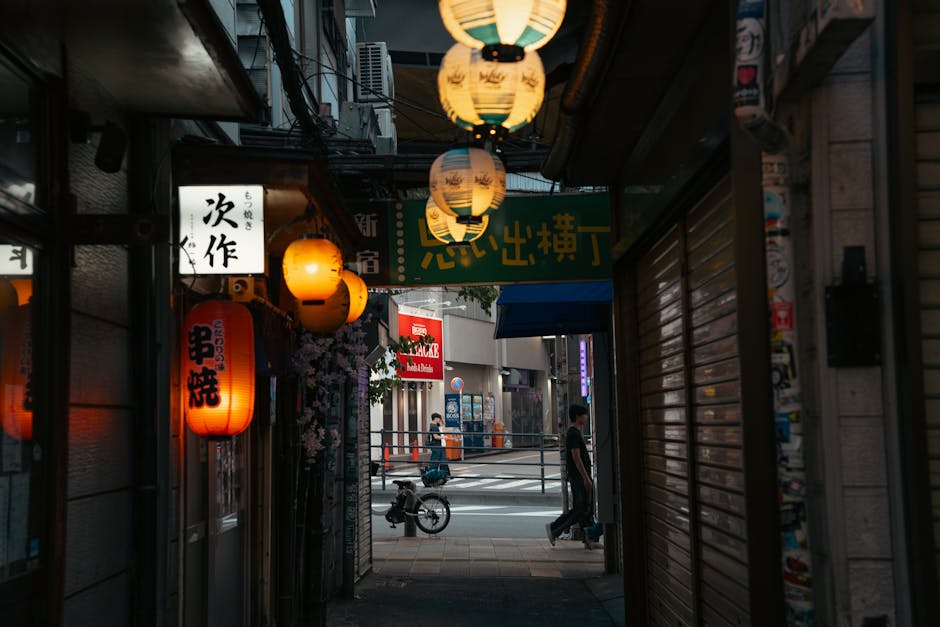
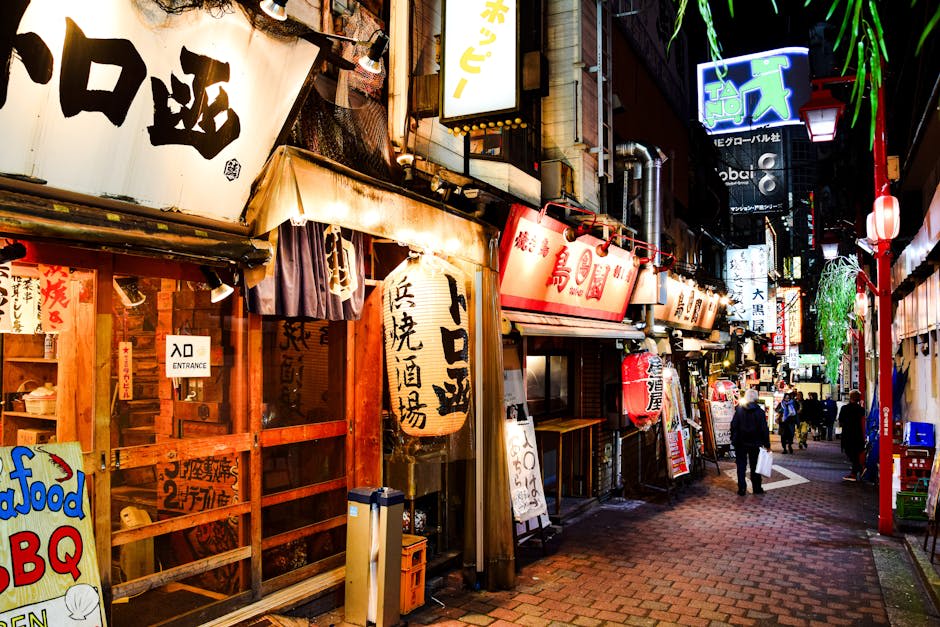
Omoide Yokocho Memory Lane
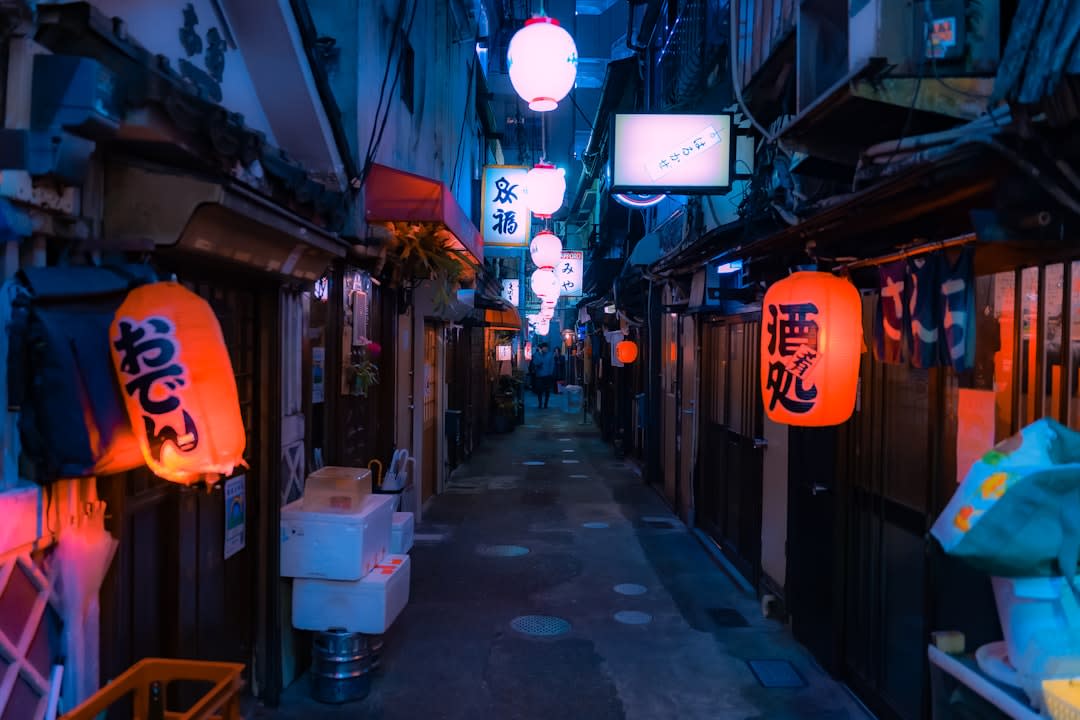
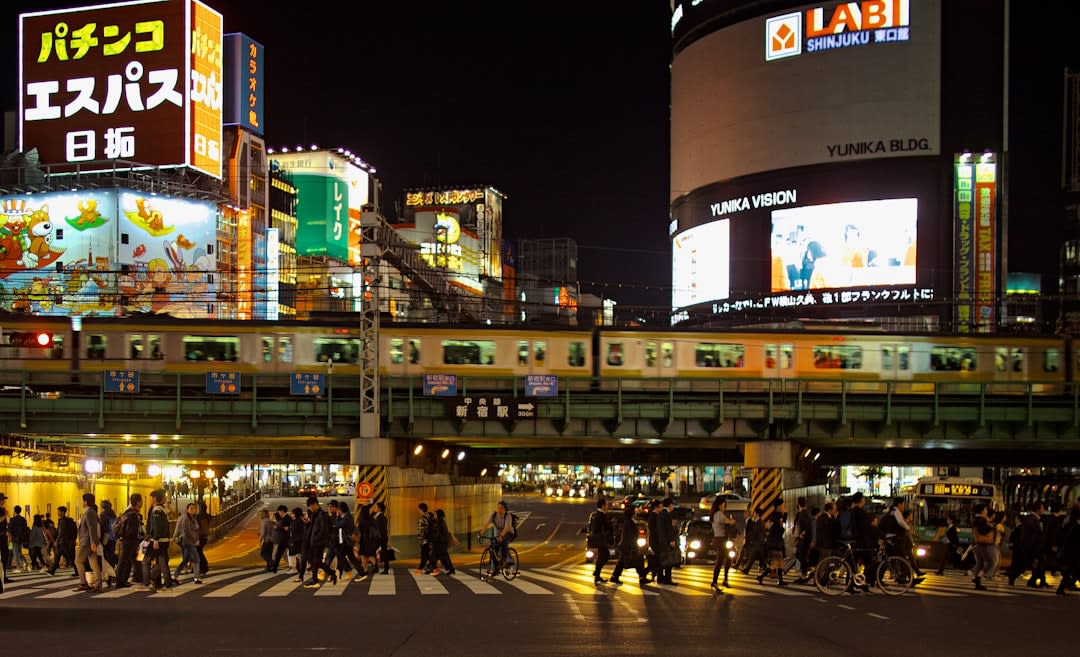
Shinjuku is a useful final stop because it combines transport, food, nightlife, observation options, and small atmospheric lanes. First-time visitors often focus on the area around Kabukicho, Omoide Yokocho, and Golden Gai, while repeat travelers can explore quieter restaurants, department store food floors, and nearby parks. Evening is the best time to feel the district's energy, but keep your route simple because the station area is large.